
Structural Specifications at a Glance
Standard Commercial Baseline: Commercial dining chairs require a minimum aluminum wall thickness for commercial restaurant dining chairs of 1.8mm to 2.0mm.
High-Traffic / Stackable Spec: Heavy-use venue seating dragged and stacked daily requires 2.0mm to 2.5mm tubing with internal reinforcement ribbing.
Residential vs. Contract Gap: Retail chairs use 1.2mm to 1.5mm tubing, which dents, twists, and shears under public use.
Compliance Benchmarks: Contract frames must pass EN 581 (European contract seating standard) and BIFMA X5.4 (North American public seating standard).
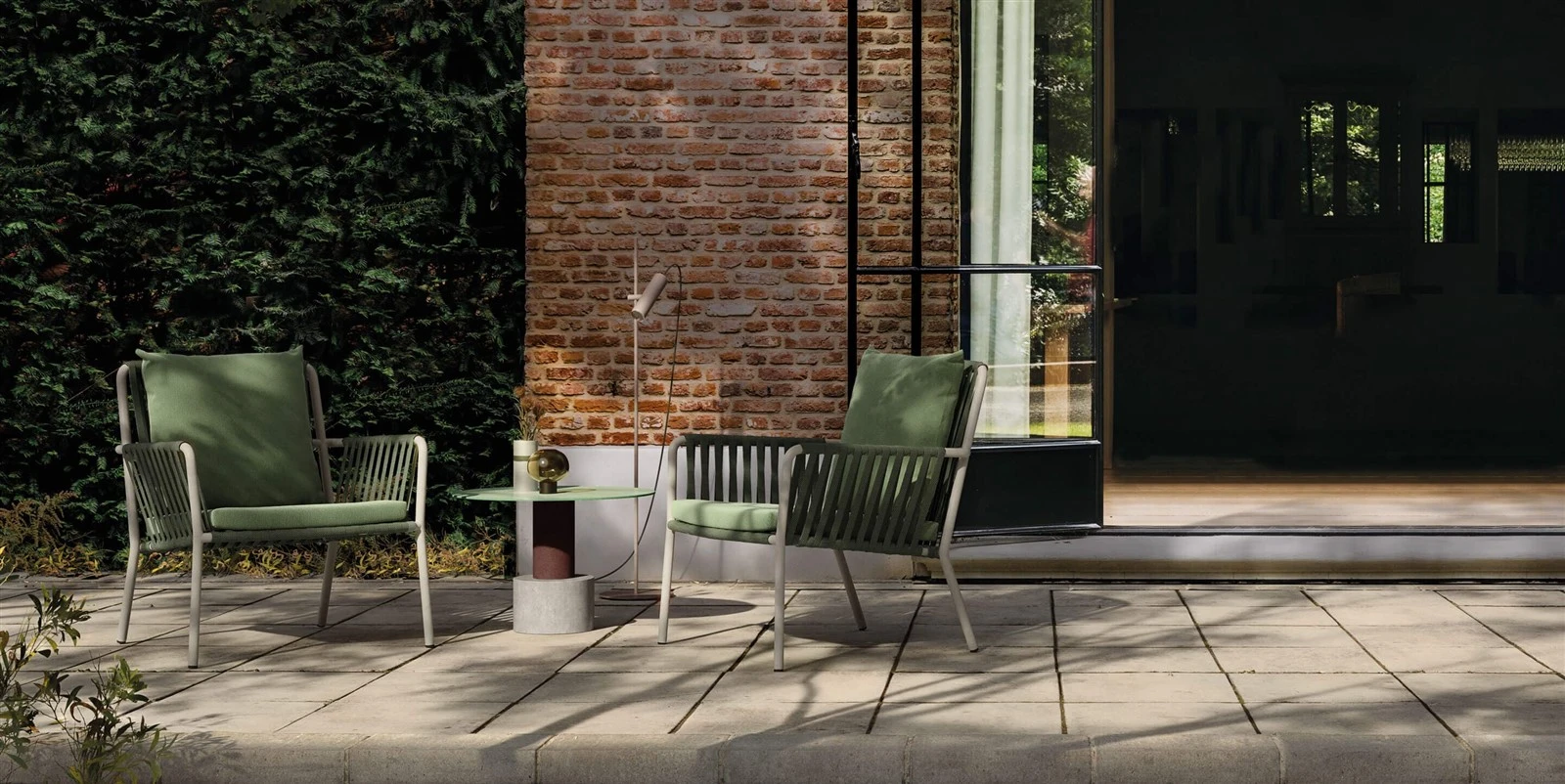
Commercial patio chairs rarely break because a guest sat down too hard. They fail because the chair was dragged across rough concrete pavers hundreds of times, leaned back on two legs, stacked six high at closing, and left in marine humidity every night.
When sourcing seating for a high-turnover patio, tube wall dimension is the single most critical engineering spec.
Two chairs might look identical in a digital catalog, but one built with a 1.2mm residential frame will flex, loosen at the joints, and fail within months of public use. Understanding tube wall gauge, alloy temper, and joint physics helps commercial buyers avoid structural failures, guest injuries, and early replacement costs.
1. Wall Gauge Mechanics: Millimeters vs. Performance
Aluminum extrusions for contract furniture are specified either by metric wall thickness (millimeters) or standard gauge thickness values. Lower gauge numbers mean thicker metal walls.
Most residential patio chairs use 16-gauge or 18-gauge tubing (1.2mm to 1.5mm). That keeps shipping weights low, but these thin walls lack the tensile yield strength needed for multi-guest wear. When a guest shifts weight or leans back, thin aluminum tube walls deform around the stress point, cracking the outer paint layer and loosening the joint.
Contract food service venues require 14-gauge tubing (2.0mm) as a baseline. For rear legs, armrest junctions, and bottom stretcher bars, commercial builders use 12-gauge extrusions (2.5mm) or extrude internal webbing directly inside the tube wall to boost rigidity without adding excessive weight.
Tube Gauge vs. Application Performance
| Gauge Rating | Wall Thickness (mm) | Structural Grade | Static Load Capacity | Venue Suitability |
| 18-Gauge | 1.2 mm | Residential Entry | 90 kg – 110 kg | Unsuitable. High risk of leg bowing and joint shear in public venues. |
| 16-Gauge | 1.5 mm | Light Domestic | 120 kg – 140 kg | Limited. Suitable only for light seasonal use or quiet courtyards. |
| 14-Gauge | 2.0 mm | Standard Commercial | 200 kg – 250 kg | Recommended. Baseline spec for high-turnover restaurant dining terraces. |
| 12-Gauge | 2.5 mm | Heavy-Duty Contract | 300 kg – 350 kg+ | Optimal. Built for 24/7 public spaces, stackable venues, and beach resorts. |
2. Layout Stresses Across Restaurant Seating Configurations
A quiet hotel courtyard puts very different physical demands on a frame than a dense sidewalk bistro.
Wall Specs for an Outdoor Dining Table Chair Set
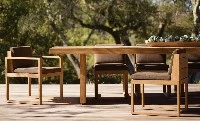
In an outdoor dining table chair set deployed on a full-service patio, chairs face constant dynamic loading. Guests frequently slide chairs back while seated, putting intense lever force on the rear leg joints.
In a commercial dining setup, a leg built from 2.0mm heat-treated 6063-T6 aluminum alloy absorbs these forces without bending. The T6 temper designation means the aluminum profile underwent solution heat treatment and artificial aging, raising the yield strength of the raw alloy to handle continuous public use.
Stacking Forces on a 4 Chair Outdoor Dining Set
For sidewalk bistros and urban terraces, a compact 4 chair outdoor dining set arrangement usually demands stackable chairs. Stacking introduces severe localized friction and vertical compression.
When thin-walled chairs are stacked six to eight high, the weight of the upper chairs concentrates on the lower frames, denting the metal at contact points. Commercial stackable chairs pair a 2.0mm to 2.5mm wall thickness with welded nylon stacking guards. These guards protect the outer powder coating finish while spreading the vertical load evenly across the lower leg profiles.

3. Frame Failure Points and Fabrication Fixes
Knowing where frames break helps buyers spot weak designs before placing bulk orders.
Primary Failure Points in Thin-Walled Tubing
Weld Shearing at the Seat Pan: Thin tube walls (1.2mm–1.5mm) cannot support deep weld penetration. Under heavy loads, the weld bead tears away from the thin wall, taking a piece of the tube with it.
Leg Bowing on Uneven Pavers: When chairs sit on cobble, pavers, or timber decking, weight spreads unevenly. Thin aluminum legs bow outward over time.
Foot Glide Punch-Through: On thin-walled chairs, plastic insert feet punch upward into the hollow tube under heavy loads, causing the sharp metal edge to scrape directly against the flooring.
Engineering Note on Joint Fabrication
Bolts and spot welds work loose when chairs are dragged across rough outdoor pavers. Contract restaurant seating requires continuous, 360-degree TIG welding across every structural connection. A full-perimeter weld fuses the seat pan, legs, and backrest into a single rigid unit.
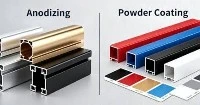
Raw aluminum frames must undergo multi-stage degreasing and pre-treatment before receiving an architectural powder coat certified to Qualicoat Class 2 standards. Finished frames are tested in salt fog chambers under ASTM B117 protocols for 1,000+ continuous hours to verify paint adhesion.
Structural Failure Modes vs. Contract Fixes
| Failure Mode | Root Cause | Contract Fabrication Fix | Operational Result |
| Cracked Leg Welds | Thin walls (1.2mm) + spot welds | 2.0mm–2.5mm walls + full 360° TIG welding | Stops joint separation under lateral force |
| Frame Twist | Soft alloy temper without ribbing | Heat-treated 6063-T6 aluminum alloy + internal ribs | Keeps frame square on rough stone or pavers |
| Paint Flaking | Inadequate chemical pre-treatment | Architectural Qualicoat Class 2 powder coating | Prevents paint peeling from moisture exposure |
| Tube Splitting at Feet | Plastic foot glides punching into hollow tube | Internal aluminum washer plugs + heavy-wall base | Protects tube ends and keeps flooring scratch-free |

4. Frame Engineering for Boutique Hotel Outdoor Seating
High-end venues need a balance between structural strength and clean visual design.
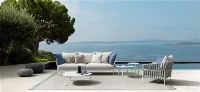
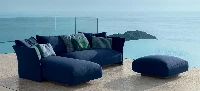
In upscale spaces, boutique hotel outdoor seating often features wider frame profiles, integrated armrests, and deep-cushion seating. Because these lounge-dining hybrids have longer spans between support legs, leverage on the frame increases significantly.
When building wider restaurant outdoor patio furniture, engineers step up the wall thickness at corner gussets and cross-supports to 2.5mm. This stops mid-span sag when guests lean back into deep cushions.
Cushions used in these commercial settings rely on open-cell reticulated quick-dry foam wrapped in solution-dyed acrylics. Water drains straight through the open-cell structure, preventing moisture buildup inside the seat pan that could otherwise cause corrosion around fastener points.
5. Lab Testing and Verification
Visual checks alone cannot prove frame strength. Commercial buyers rely on certified lab test reports to verify safety before placing orders.
Key International Testing Standards
EN 581-1 & EN 581-2: The primary European safety and stability standard for contract outdoor seating, requiring 100,000+ seat fatigue impact cycles without structural failure.
BIFMA X5.4: The North American standard for public space seating, testing severe drop impacts and lateral armrest strength.
ISO 9001: Certified factory quality management protocols ensuring that production runs match tested lab samples.
Testing Frameworks & Lab Benchmarks
| Certification Standard | Test Method / Focus Area | Minimum Benchmark | Commercial Relevance |
| EN 581 | Dynamic seat fatigue & stability | 100,000+ seat/back impact cycles | Mandatory compliance for European commercial tenders |
| BIFMA X5.4 | Heavy impact drop & arm strength | Severe vertical drop tests (136 kg+) | Standard requirement for North American commercial jobs |
| ASTM B117 | Salt fog corrosion resistance | 1,000+ hours in salt chamber | Essential for oceanfront resorts and coastal dining |
| ISO 9001 | Production quality assurance | Factory auditing & material tracking | Guarantees consistent wall thickness across batch orders |
When sourcing commercial dining chairs for large projects, working with an experienced manufacturer like Howvin Outdoor Furniture ensures that frame dimensions, alloy tempers, and wall thickness specs are backed by verified lab test reports.
FAQ:
1. What is the minimum aluminum wall thickness required for commercial restaurant dining chairs?
Commercial restaurant dining chairs require a minimum aluminum wall thickness of 1.8mm to 2.0mm (14-gauge). For high-use areas such as rear legs, armrests, and stackable frames, a wall thickness of 2.0mm to 2.5mm (12-gauge) with internal reinforcement ribbing is recommended to prevent structural failure.
2. Can I use 1.2mm or 1.5mm aluminum chairs in a commercial cafe to reduce initial costs?
Using 1.2mm to 1.5mm residential-grade chairs in a commercial food-service venue is not recommended. Thin-walled aluminum bends under heavy guest loads, tears around weld points, and rapidly wears down when stacked or dragged daily across outdoor pavers.
3. How does heat treating to a T6 temper improve aluminum chair strength?
Heat treating 6063-series aluminum to a T6 temper artificially ages the metal, reorganizing its internal crystalline structure. This process roughly doubles the tensile yield strength compared to softer tempers, allowing the frame to resist bending and warping under heavy public use.
4. Why are continuous TIG welds better than mechanical bolts for outdoor restaurant chairs?
Mechanical bolts naturally loosen when chairs are dragged across rough surfaces or exposed to thermal expansion outdoors. Full 360-degree continuous TIG welds fuse the aluminum components into a solid, unibody structure that eliminates loose joints, frame wobble, and water entrapment.
5. What laboratory test certificates should I request when buying commercial dining chairs?
You should request test reports verifying compliance with EN 581-1 & EN 581-2 (for safety, stability, and seat fatigue) and BIFMA X5.4 (for public seating strength and drop impacts), as well as ASTM B117 salt spray test reports for coastal installations.
6. How does aluminum wall thickness affect stackable outdoor dining chairs?
Stackable chairs experience high compression force and abrasion where upper frames rest on lower chairs. A wall thickness of 2.0mm to 2.5mm prevents tube walls from denting under vertical stacking weight, while integrated nylon stacking buffers protect the outer powder coat finish from scratching.