
Load-Bearing Architecture: Commercial frames utilize heavier wall thickness (2.0mm–2.5mm) and internal structural ribbing compared to residential frames (1.2mm–1.5mm).
Welding Integrity: Contract furniture relies on full-perimeter TIG welding, whereas residential pieces frequently use mechanical fasteners or spot welds that loosen under high turnover.
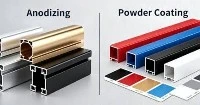
Surface Science: Commercial outdoor furniture undergoes multi-stage pre-treatment and chrome-free conversion coating to achieve Qualicoat Class 2 weather resistance.
Compliance Stack: Commercial items must pass stringent EN 581 and BIFMA X5.4 structural safety testing for continuous public use.
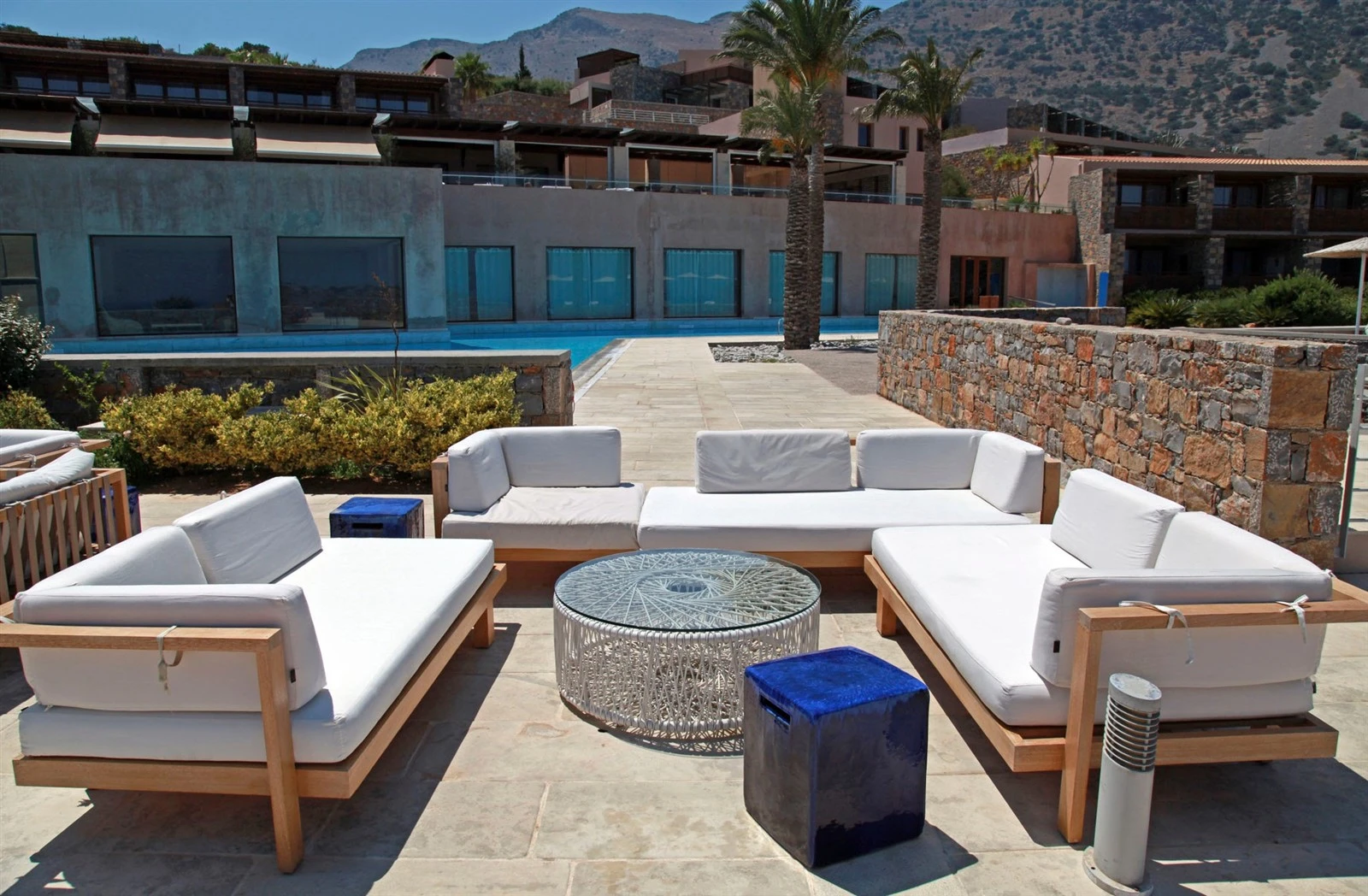
The structural difference between residential-grade and commercial/contract-grade outdoor furniture isn't immediately obvious when browsing a product catalog or showroom. Two patio chairs can share an identical visual silhouette, identical powder-coated finish, and similar cushion colors, yet perform completely differently when placed in a high-turnover resort environment.
Residential patio sets are engineered for occasional family use-typically 2 to 4 hours per week under moderate loads. Commercial furniture, by contrast, endures 12 to 18 hours of continuous daily abuse in hotels, restaurants, and public venues. Understanding these hidden engineering distinctions prevents catastrophic frame failures, premature warranty claims, and safety liabilities in B2B procurement.
🏗️ 1. Metallurgy and Frame Engineering: Beyond Surface Aesthetics
At the core of every durable piece of furniture lies its metallurgical foundation. While residential pieces prioritize shipping efficiency and lightweight handling, commercial-grade frames are engineered for torsional rigidity and fatigue endurance.
Aluminum Alloy Selection and Tubing Density
Most aluminum outdoor furniture crafted for residential backyards utilizes standard extruded tubing with a wall thickness ranging from 1.2mm to 1.5mm. Under heavy commercial occupancy, these thin walls buckle at stress points such as armrest joints and leg bases.
Contract-grade manufacturing specifies heavy-gauge 6063-T6 aluminum alloy featuring a minimum wall thickness of 2.0mm, reaching up to 2.5mm at critical load junctions. Furthermore, complex commercial profiles integrate internal reinforcement ribs-an internal webbing structure that increases load capacity without adding clumsy exterior bulk.
🛠️ Engineer's Note on Weld Integrity
Residential chairs often rely on mechanical assembly with exposed stainless steel bolts or temporary spot welds. Over time, constant movement breaks these mechanical connections. Contract-grade structures utilize 360-degree, full-perimeter TIG welding (Tungsten Inert Gas welding). Every joint is hand-ground, inspected for porosity, and stress-tested to ensure zero structural flex under lateral forces.
📊 Structural & Metallurgical Specification Matrix [SPEC-01]
| Engineering Parameter | Residential-Grade Specification | Commercial / Contract-Grade Specification | Structural Impact in High-Traffic Venues |
| Aluminum Wall Thickness | 1.2mm – 1.5mm | 2.0mm – 2.5mm + internal ribbing | Prevents structural denting and torque deformation |
| Alloy Temper Rating | 6063-T3 / T4 (Softer) | 6063-T6 aluminum alloy (Heat treated) | Multiplies tensile strength and yield resistance |
| Joint Construction | Spot welds or bolted assembly | Full-perimeter continuous TIG welding | Eliminates joint loosening and rust points |
| Static Load Capacity | 100 kg – 120 kg (220–265 lbs) | 250 kg – 350 kg+ (550–770 lbs) | Prevents frame collapse under extreme guest weight |
| Weight Base Profile | Lightweight for easy shifting | Weighted ballast / Heavy-gauge extrusions | Prevents wind tipping in open coastal environments |
🔬 2. Surface Coating Chemistry & Extreme Weather Resistance
Exterior corrosion doesn't start on the surface-it begins beneath the paint layer. Exposure to marine salt spray, chlorinated pool water, and intense UV radiation rapidly degrades consumer-grade finishes.
Commercial finishing processes involve a rigorous multi-stage pre-treatment protocol. Before applying a decorative powder coating, the raw frame undergoes ultrasonic degreasing, acid etching, and a non-chromate zirconium conversion layer. This micro-textured substrate locks the polymer paint to the metal at a molecular level.
Contract furniture specs demand powder coatings certified to Qualicoat Class 2 or higher. These architectural-grade polyester resins resist chalking, blistering, and color fading under prolonged sun exposure. Standard residential finishes, which typically lack architectural pre-treatment, often peel within 12 to 18 months when exposed to oceanfront air.
To verify corrosion endurance, commercial frames must withstand accelerated salt spray testing under ASTM B117 standards for at least 1,000 continuous hours without blister formation or paint creepage at cut edges.
☕ 3. Application Scenarios: From High-Turnover Cafes to Luxury Resorts
Different commercial venues present unique mechanical challenges that demand specialized structural engineering.

High-Density Dining and Bistro Spaces
In fast-paced food service venues, cafe outdoor seating furniture commercial deployments undergo endless drag-and-stack cycles every morning and evening. Residential chairs quickly scuff, bend, or lose structural alignment when stacked repeatedly. Commercial bistro chairs feature nylon anti-scratch stacking bumpers, reinforced rear legs, and integrated wear slides that shield raw metal frames during daily storage operations.

Luxury Hospitality and Poolside Lounging
When designing expansive outdoor lounges, installing a hotel outdoor daybed with canopy requires substantial structural calculations. Unlike small residential daybeds tucked away in a backyard, resort daybeds face strong coastal winds and continuous multi-guest use.
The canopy superstructure must utilize heavy-wall aluminum extrusions with reinforced corner gussets to withstand sudden wind gusts without shearing.
Inside the upholstery, commercial cushion construction utilizes reticulated quick-dry foam wrapped in solution-dyed acrylic fabrics like Sunbrella fabric. This porous foam matrix allows rainwater to drain through immediately, preventing internal mold growth and core breakdown even under continuous heavy rain.

📊 Application Stress & Material Engineering Matrix [SPEC-02]
| Commercial Venue Type | Primary Mechanical Stress | Required Structural Feature | Recommended Material Spec |
| Bistro & Sidewalk Cafes | Dragging, high stacking friction | Nylon wear guards & reinforced rear legs | 6063-T6 aluminum alloy with stack bumpers |
| Poolside & Beach Resorts | Salt fog, chlorine, wet swimwear | Open-cell drainage & pre-treated frames | Reticulated quick-dry foam + marine powder coating |
| Rooftop Bars & Lounges | High wind loads, lateral forces | Heavy weighted bases & structural gussets | Solid cast aluminum or thick-wall tubular extrusions |
| Boutique Hotel Cabanas | Continuous multi-guest lounging | Heavy-gauge load beams & UV canopy frames | hotel outdoor daybed with canopy frame spec |
📜 4. Compliance Standards & International Testing Frameworks
You cannot assess structural safety through visual inspection alone. Professional buyers verify performance by examining laboratory test reports issued by accredited third-party testing institutions.
Residential furniture is rarely subjected to mandatory structural testing. Commercial furniture, however, must comply with strict international contract standards before installation in public facilities.
EN 581-1 & EN 581-2: The European gold standard for commercial outdoor seating, specifying mandatory mechanical safety, structural stability, and fatigue load requirements.
BIFMA X5.4: The Business and Institutional Furniture Manufacturers Association standard for public space seating, testing severe drop impacts, arm strength, and back durability.
ISO 9001: Certified manufacturing quality management systems ensuring batch-to-batch structural consistency across large production orders.
📊 Global Testing Frameworks & B2B Compliance Blueprint [CERT-01]
| Certification / Standard | Testing Focus | Mandatory Requirement | Commercial Relevance |
| EN 581 | Seating fatigue & structural safety | 100,000+ seat cycle fatigue impacts | Mandatory for European hotel & cafe tenders |
| BIFMA X5.4 | Public lounge seating strength | Heavy drop tests & lateral arm force tests | Standard requirement for North American commercial projects |
| ASTM B117 | Accelerated salt spray corrosion | 1,000+ hours without film blistering | Essential for oceanfront resort developments |
| ISO 9001 | Production quality control | Documented raw material & weld inspection | Guarantees batch consistency for OEM/ODM projects |
💼 5. Total Cost of Ownership (TCO) & B2B Procurement Strategy
While residential-grade furniture carries a lower initial purchase price, using consumer-grade products in commercial properties quickly turns into an expensive mistake.
Consider a 150-room beachfront resort: installing residential loungers might save 35% on initial capital expenditure. However, with thin aluminum walls and basic powder coating, these frames begin failing within 12 months due to weld breakage and surface corrosion. The costs of constant spot replacements, freight logistics, guest complaints, and potential liability claims far outweigh any initial savings.
Partnering with an experienced manufacturer like Howvin Outdoor Furniture grants commercial buyers access to engineered contract solutions. From custom CAD frame drawings to verified lab certifications, contract-grade manufacturing protects your long-term return on investment and safeguards your brand reputation.
❓FAQ:
1. How can I visually tell if outdoor furniture is contract-grade?
Look closely at the weld joints, tube end-caps, and frame weight. Contract-grade furniture features continuous 360-degree welds ground smooth without visible gaps, thick wall extrusions that feel solid when lifted, nylon floor glides bolted rather than glued, and official test compliance tags (such as EN 581 compliance documentation).
2. Can I use residential-grade outdoor furniture in a boutique cafe to save budget?
It is strongly discouraged. Using residential furniture in a commercial setting voids manufacturer warranties and exposes your business to safety liabilities if a chair collapses under a guest. Commercial chairs are tested for continuous public loads and frequent drag-and-stack handling that residential models cannot withstand.
3. What makes aluminum the preferred frame material for commercial outdoor furniture?
Aluminum naturally forms an oxide layer that resists rust, unlike iron or steel. When extruded into heavy-wall profiles and heat-treated to a T6 temper, it delivers an exceptional strength-to-weight ratio-making it light enough for staff to move easily, yet strong enough to endure constant guest use without bending.
4. What is the expected lifespan of contract-grade outdoor furniture vs. residential furniture?
Residential furniture typically lasts 2 to 4 years under light seasonal use. Contract-grade commercial furniture is engineered for a service life of 5 to 10+ years in demanding hospitality environments, supported by commercial warranties, replaceable wear parts, and commercial-grade fabrics.
5. How does cushion foam differ between residential and commercial outdoor furniture?
Residential cushions often use standard polyurethane foam wrapped in polyester batting, which holds water like a sponge and leads to internal mold. Commercial outdoor seating utilizes open-cell reticulated foam that allows water and air to pass straight through, keeping cushions dry and fresh even after heavy downpours.
6. Do commercial outdoor daybeds require special structural installation?
Yes. Large outdoor daybeds, especially those featuring integrated canopy frames or privacy curtains, must be anchored securely to the patio deck or equipped with built-in structural ballast to prevent tipping during unexpected high wind events.