
When resort engineers, procurement managers, and hospitality designers specify metal seating for beachfront properties, one question consistently dominates the technical evaluation: is thermoset powder-coated aluminum superior to anodized aluminum for coastal commercial patio environments?
Selecting metal frames for marine microclimates involves fighting high humidity, relentless UV exposure, and salt spray. While both finishing methods protect marine-grade aluminum 6063-T6, their chemical defense mechanisms operate differently.
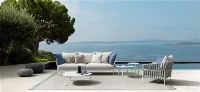
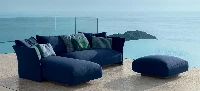
Deploying premium aluminum outdoor furniture or an expansive lounge outdoor furniture set along a coastal boardwalk requires choosing a surface coating engineered to withstand extreme environmental stress.
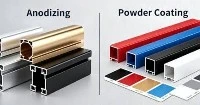
1. Chemical Metallurgy: Thermoset Polymerization vs. Anodized Oxidation
Understanding why a finish succeeds or fails near ocean waters requires examining how each coating interacts with the metal substrate.
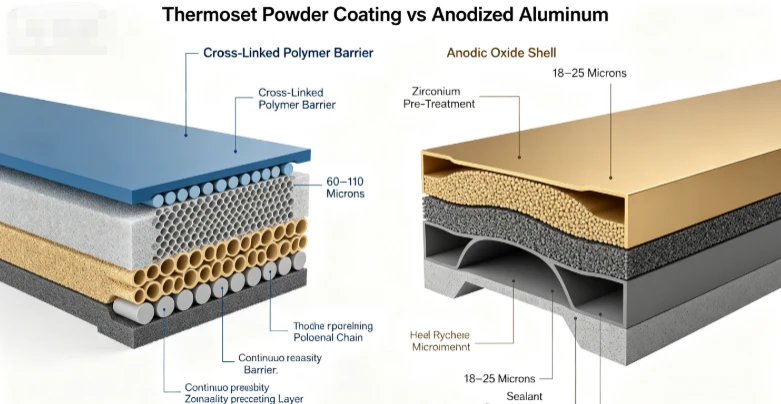
Thermoset Powder Coating Mechanics
Thermoset powder-coating relies on an electrostatic deposition process followed by high-temperature thermal curing. Under heat, fine dry resin particles melt, flow, and undergo irreversible chemical cross-linking.
Interlocking Shield: The curing process creates dense interlocking polymer chains that form a continuous, non-porous physical barrier over the aluminum frame.
Formulation Options: High-grade commercial coatings utilize TGIC-free polyester or ultra-durable fluoropolymer FEVE resin, which absorb structural flexing without micro-fracturing.
Adhesion Foundation: Requires a multi-stage chromate-free zirconium pre-treatment that etches the aluminum surface to achieve mechanical and chemical bonding.
Anodized Aluminum Mechanics
Anodizing converts the outer layer of aluminum into an integral aluminum oxide shell through an acid bath electrolysis treatment.
Oxide Structure: The resulting anodic film contains millions of microscopic pores per square millimeter.
Sealing Dependency: These pores must be sealed in boiling water or nickel acetate baths. In aggressive coastal zones, salt, acid rain, and UV light cause sealant degradation, exposing inner pores to moisture.
Rigidity Vulnerability: The thin oxide layer is extremely hard but brittle. Thermal expansion cycles cause micro-cracks in the oxide layer, opening paths for pitting oxidation.
Technical Surface Performance Matrix
| Chemical & Surface Attribute | Thermoset Powder Coating (AAMA 2605) | Anodized Aluminum (Class I Architectural) |
| Protective Mechanism | Flexible polymeric envelope barrier | Integrated aluminum oxide surface layer |
| Layer Thickness | 60 – 110 Microns | 18 – 25 Microns |
| Film Flexibility / Elasticity | High (Absorbs frame impact and thermal flex) | Low (Brittle; susceptible to stress micro-fissures) |
| Filiform Corrosion Defense | Exceptional (When combined with zirconium pre-treatment) | Moderate (Vulnerable if sealant breaches) |
| Color & Texture Versatility | Infinite RAL colors, matte, fine-texture, metallic | Limited to natural metallic bronze/silver tones |
2. Marine Environmental Stressors: Salt Fog, UV Degradation, and Abrasion
Coastal hospitality furniture endures harsh weathering conditions. The ocean environment creates a harsh mix of airborne salt, sand, moisture, and intense sunlight.
Salt Fog and Filiform Corrosion Resistance
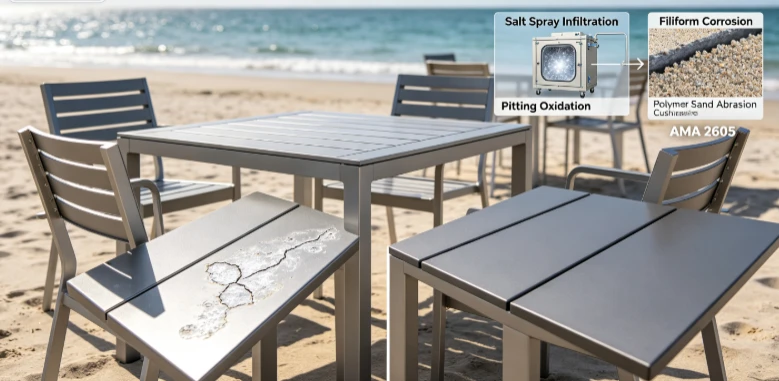
In salt spray chamber testing (ASTM B117), coastal airborne salt crystals settle into coating flaws. On anodized frames, salt water infiltrates unsealed pores or micro-fissures, initiating localized pitting under the surface.
Thermoset powder coatings resist filiform corrosion-spiderweb-like oxidation under the paint film-because the thick polymer layer prevents moisture from creeping horizontally beneath the coating.
Windblown Sand Abrasion and Impact Resistance
Beachfront wind carries abrasive silica sand that acts like a low-pressure sandblaster against table legs and armrests.
Anodized Surfaces: While hard, thin anodic layers (under 25 microns) gradually wear down under continuous sand abrasion, exposing raw aluminum to coastal moisture.
Thermoset Coatings: The thicker polymer skin (60–110 microns) acts as an impact-absorbing cushion, resisting chip formation from windblown sand and accidental impact from stacking chairs.
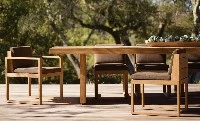
This durability makes thermoset coatings the preferred choice when sourcing wholesale restaurant patio furniture for oceanfront dining venues and beach clubs.
3. Financial ROI & Lifecycle Analysis (Capex vs. Opex)
Procurement officers and hotel developers evaluate material selections based on long-term capital efficiency and operational stability.
Capital Expenditure vs. Operational Expense
While Class I architectural anodizing and high-tier thermoset powder coating require similar initial capital investments, their ongoing operational expenses diverge rapidly over time.
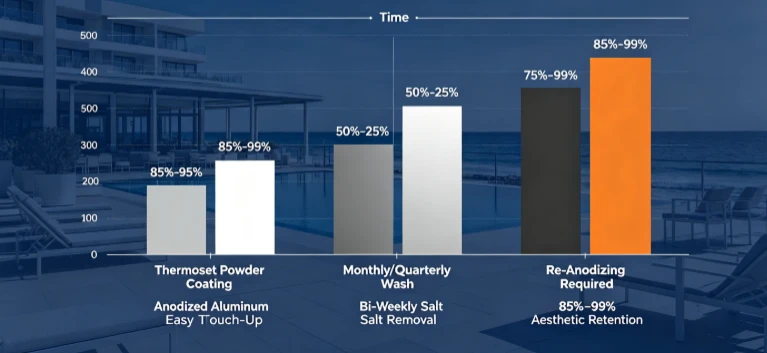
Anodized furniture installed within 500 meters of salt water requires frequent freshwater washdowns (often bi-weekly) to remove salt deposits from anodic pores. Neglecting this routine leads to chalking, surface staining, and pitting, forcing early frame replacement.
Partnering with an experienced Contract outdoor furniture supplier ensures your frames receive commercial-grade multi-stage pre-treatments that maximize service life.
10-Year Commercial Lifecycle Comparison
| Cost & Operational Factor | Thermoset Powder Coated Aluminum | Anodized Aluminum |
| Initial Procurement Cost (Capex) | Standard Commercial Investment | Moderate Initial Investment |
| Required Washing Frequency | Monthly or Quarterly (Freshwater) | Bi-Weekly (Mandatory salt removal) |
| Pitting & Chalking Risk (5-Yr) | Near Zero (with AAMA 2604/2605) | High (Coastal salt accumulation) |
| On-Site Touch-Up Repairability | Easy (Matching liquid acrylic pens) | Extremely Difficult (Requires re-anodizing) |
| 10-Year Service Life Retention | 85% - 95% Aesthetic Integrity | 50% - 65% (Chalked/Pitted surfaces) |
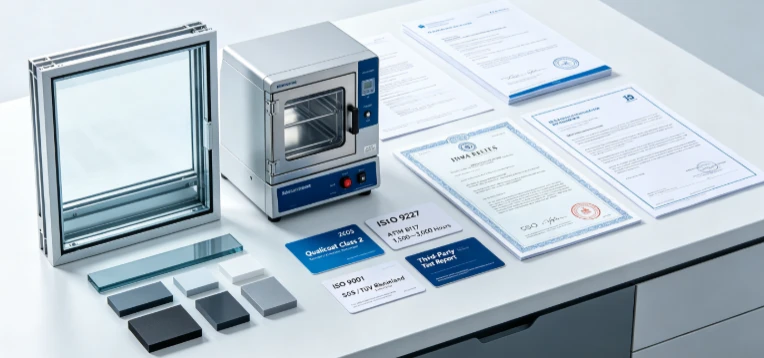
4. International Testing Standards & Certification Benchmarks
To ensure aluminum frames withstand coastal exposure, procurement specs must require third-party test verification from accredited laboratories like SGS or TÜV Rheinland.
Key Testing Standards
| Certification / Standard | Governing Body | Technical Scope & Pass Benchmark |
| AAMA 2605 | FGIA / AAMA | High-performance architectural coating standard; requires 10-year Florida sun and salt spray exposure. |
| Qualicoat Class 2 | Qualicoat Association | European benchmark for outdoor architectural powder coating; specifies two-year weathering and corrosion resistance. |
| ASTM B117 | ASTM International | Standard salt spray (fog) testing; frames must complete 1,500 to 3,000 hours without blistering. |
| ISO 9227 | ISO | International corrosion testing in artificial atmospheres; verifies hydrolytic resistance in marine fog environments. |
| ISO 9001 | ISO | Validates consistent quality management during multi-stage cleaning and powder coating application. |
FAQ:
Is thermoset powder-coated aluminum superior to anodized aluminum for coastal commercial patio environments?
Yes. Thermoset powder coating provides a thicker, flexible polymer barrier (60–110 microns) that absorbs impact and thermal expansion without cracking. When applied over a zirconium pre-treatment, it offers superior resistance to salt fog, pitting, and filiform corrosion compared to brittle, porous anodic films.
What is the difference between AAMA 2603, 2604, and 2605 powder coating standards?
AAMA 2603 is an entry-level residential specification. AAMA 2604 offers 5-year outdoor durability with super-durable polyester resins. AAMA 2605 is the highest architectural standard, utilizing fluoropolymer (FEVE) resins that withstand 10 years of severe Florida coastal sun, humidity, and salt spray without chalking or fading.
Why does anodized aluminum develop white chalking or pitting near oceanfronts?
Anodized surfaces naturally contain microscopic pores sealed during manufacturing. Exposure to saltwater spray and UV light degrades these seals, allowing salt crystals to penetrate the pores and trigger sub-surface aluminum pitting and chalky oxidation.
Can powder-coated aluminum furniture be touch-up repaired if scratched on site?
Yes. Unlike anodized finishes-which cannot be repaired without dismantling the frame and sending it back to an electrolysis bath-scratched powder-coated frames can be touch-up repaired using color-matched air-dry fluoropolymer acrylic pens.
How often should commercial outdoor furniture be washed in coastal venues?
For furniture placed within 1,000 meters of the coastline, rinse frames with clean, fresh water once a month to remove accumulated salt crystals and grime. Avoid abrasive sponges or harsh chemical solvents that could dull the surface finish.
What pre-treatment process is required before powder coating aluminum frames?
Commercial frames must undergo a multi-stage wash process that includes acid degreasing, a freshwater rinse, a chromate-free zirconium pre-treatment conversion coating, and a final deionized water seal. This creates a corrosion-resistant foundation for strong mechanical powder adhesion.