
Resort developers, procurement directors, and commercial hospitality buyers operating in tropical, desert, or equatorial environments face a constant battle against solar degradation. When specifying high-exposure outdoor amenities, answering what UV-resistance rating (QUV testing hours) is required for synthetic rattan/wicker in high-sun resort regions? becomes the deciding factor between a 10-year pristine asset and a brittle, discolored liability within 18 months.
1. Understanding Solar Degradation in Luxury Outdoor Patio Furniture
In high-sun geographical zones-such as the Caribbean, the Arabian Gulf, Southeast Asia, and Coastal Mexico-solar ultraviolet radiation levels regularly exceed an UV Index of 11+. When luxury outdoor patio furniture is subjected to continuous solar irradiance combined with ambient temperatures above 40°C, untreated or under-engineered synthetic polymers experience rapid photolytic degradation.
Synthetic rattan is typically manufactured from one of three base polymers: high-density polyethylene (HDPE), polyethylene (PE), or polyvinyl chloride (PVC). Solar radiation breaks down the molecular carbon-carbon bonds within these polymers. Without sufficient Hindered Amine Light Stabilizers (HALS) and specialized carbon black or inorganic titanium dioxide pigments, the material loses its elasticity, becomes chalky, and snaps under normal load-bearing conditions.
2. Benchmark QUV Testing Hours for High-Sun Resort Regions
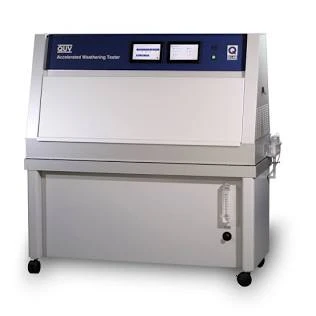
To determine what UV-resistance rating (QUV testing hours) is required for synthetic rattan/wicker in high-sun resort regions?, commercial buyers look to standardized laboratory testing. QUV Accelerated Weathering testing utilizes fluorescent UV lamps to simulate the damaging effects of sunlight, combined with condensation cycles to replicate rain and dew.
For high-sun resort regions, a minimum of 2,000 QUV testing hours is required, while 3,000 to 5,000 QUV hours represents the ideal commercial benchmark for luxury beachfront properties.
QUV Hours vs. Real-World Lifespan in High-Sun Environments
| QUV Testing Hours (ASTM G154) | Accelerated Exposure Equivalent | Expected Lifespan (UV Index 10+) | Commercial Performance Level |
| 500 Hours | ~1 Year Mild Sun | < 12 Months | Low-end residential; prone to severe embrittlement. |
| 1,000 Hours | ~2–3 Years Moderate Sun | 18–24 Months | Standard retail; unacceptable for commercial resorts. |
| 2,000 Hours | ~4–5 Years High Sun | 3–5 Years | Commercial baseline; retains tensile strength retention above 80%. |
| 3,000 Hours | ~7–8 Years Extreme Sun | 5–7 Years | Premium resort grade; minimal Color Fastness (ISO 105-B02) shift. |
| 5,000 Hours | ~10+ Years Desert/Equatorial | 8–10+ Years | Ultra-luxury commercial grade; zero structural cracking. |
3. Polymer Science & Frame Integration: HDPE vs. Alternatives
The material baseline directly dictates how many QUV hours a weave can endure. Choosing the right compound ensures that when paired with an outdoor furniture metal table or heavy lounge frame, the entire structure degrades synchronously without premature surface failure.
Commercial Synthetic Wicker Material Comparison
| Performance Metric | Virgin HDPE (High-Density Polyethylene) | Standard PE (Low-Density Polyethylene) | Commercial PVC (Polyvinyl Chloride) |
| Max QUV Capacity | 3,000 – 5,000+ Hours | 1,000 – 1,500 Hours | 500 – 800 Hours |
| Tensile Strength | High (20–30 MPa) | Medium (10–15 MPa) | Variable (Prone to sagging when hot) |
| Thermal Range | -50°C to +80°C | -20°C to +60°C | 0°C to +50°C |
| Toxic Off-Gassing | Zero (100% Recyclable) | Minimal | High (Contains plasticizers/heavy metals) |
| Resort Suitability | Essential for Luxury Resorts | Budget Hospitality Only | Not Recommended |
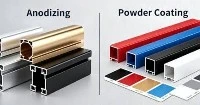
When configuring complete patio layouts, pairing virgin HDPE synthetic rattan with an outdoor furniture metal table featuring a powder-coated aluminum frame eliminates rust risks caused by salt mist in coastal locations.
4. ROI & Financial Investment Analysis for Commercial Procurement
For procurement managers sourcing wholesale garden furniture sets, evaluating furniture through a Capital Expenditure (CapEx) versus Operational Expenditure (OpEx) lens reveals the true cost of material selection.
6-Year Commercial ROI Comparison: 100-Key Beach Resort Scenario
| Financial Factor | Low-Grade Wicker (1,000 QUV Hours) | High-Grade HDPE Wicker (3,000 QUV Hours) |
| Initial Unit Cost per Set | $450 | $750 |
| Lifespan in High-Sun Zone | 2 Years | 6+ Years |
| 6-Year Replacement Cycles | 3 Cycles | 1 Cycle |
| Total Furniture CapEx (100 Sets) | $135,000 | $75,000 |
| Maintenance & Disposal Labor | $18,000 | $3,500 |
| Net Financial Savings | Baseline | $74,500 Direct Savings (+54% ROI) |
Investing in certified 3,000+ QUV rated furniture reduces long-term operational costs while protecting brand reputation and guest satisfaction ratings.
5. Specifying Hotel Outdoor Bar Furniture Sets with Verified Certifications
High-traffic hospitality zones-such as poolside bars and rooftop lounges-require specialized designs. When purchasing hotel outdoor bar furniture sets, buyers must verify third-party lab documentation rather than relying solely on manufacturer claims.
Required Lab Certifications & Test Standards
SGS Certification: Verifies raw material purity, heavy metal compliance, and accelerated weathering hours.
TÜV Rheinland Testing: Validates structural load capacities under severe mechanical stress.
ASTM G154 / ISO 4892-3: The international gold standards for QUV accelerated weathering cycle parameters.
REACH & RoHS Compliance: Ensures the synthetic extrusion is free from dangerous chemical plasticizers, lead, and cadmium.
FAQ:
What is the exact difference between UVA and UVB testing in QUV chambers?
UVA-340 lamps accurately simulate sunlight in the critical short-wavelength UV region (from 365 nm down to the solar cutoff of 295 nm), making them ideal for testing polymer color fastness and surface cracking. UVB-313 lamps utilize shorter wavelengths that cause faster material degradation, useful for quick screening but harsher than natural outdoor exposure.
Can light-colored synthetic rattan handle high UV exposure better than dark colors?
Darker synthetic rattan absorbs more thermal energy, increasing surface temperatures and accelerating thermal aging alongside UV degradation. However, high-quality dark HDPE wicker formulated with premium carbon black pigments and Hindered Amine Light Stabilizers (HALS) often outperforms under-pigmented light rattan.
How does sea salt spray impact UV-degraded synthetic wicker?
UV radiation creates micro-fractures on the surface of low-grade polymers. Salt crystals embed into these micro-cracks, expanding during thermal cycling and accelerating mechanical breakdown. For oceanfront resorts, 3,000+ QUV rated HDPE combined with marine-grade aluminum frames is mandatory.
Does a higher QUV rating affect the flexibility and comfort of the weave?
No. High QUV ratings are achieved through chemical additives (UV stabilizers and antioxidants) integrated into the polymer matrix during extrusion. These additives prevent polymer chain stiffening and embrittlement without altering the initial flexibility or tactile comfort of the weave.
How do commercial warranties correspond to QUV testing hours?
Typically, a factory rating of 2,000 QUV hours supports a 3-year commercial warranty in tropical zones, while a 3,000 to 5,000 QUV hour rating supports a 5-to-10 year commercial warranty. Always ensure the warranty explicitly covers UV-induced cracking, peeling, and severe discoloration.
How should resort staff maintain high-UV synthetic rattan to maximize its service life?
Regular cleaning with fresh water and mild pH-neutral soap removes accumulated salt, sand, and organic oils. Avoiding solvent-based chemical cleaners preserves the surface UV-stabilizer layer, ensuring the wicker retains its full rated lifespan.