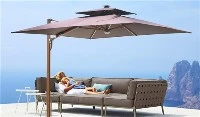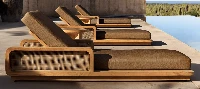

For a UK hotel or restaurant, the best material for outdoor furniture is the one that suits both the site and the people running it. Start with powder-coated aluminium or a well-specified outdoor resin chair where daily handling matters. Consider teak where its appearance suits the project and the team accepts how it will weather. For woven seating, assess the frame, weave and cushions separately.
None of those choices removes the need for product-specific checks. A material name cannot tell you whether a chair stacks safely, a cushion will dry in time for service, or a replacement tabletop will still be available when you need one.
The useful comparison is not simply aluminium versus wood. It is the complete item, in its intended position, with a realistic cleaning and storage routine.
Start with the terrace, not the material

Separate exposure from readiness for service
Write down where the furniture will actually stand: beneath a permanent roof, on an uncovered dining terrace, beside a pool or near the sea. Then ask a second question: what has to happen before guests can use it after rain?
A bare dining chair and a deep upholstered sofa create different operating tasks. One may need its surfaces dried; the other needs a plan for the complete cushion. If the venue has nowhere suitable to store cushions, that constraint belongs in the specification before anyone approves upholstery colours. Do not leave it as a housekeeping problem to solve after delivery.
Check the route from the terrace to the store
"Stackable" is useful only when the approved stack fits the available space and staff can handle it as instructed. Ask for the stacking limit, overall stack dimensions, item weight and any trolley requirements. Check doorways, thresholds and the place where the furniture will wait overnight.
For a restaurant that rearranges tables between services, use a sample to rehearse the actual move. Include the person who will do it, rather than judging from a showroom photograph. Conversely, if the furniture will stay in position, prioritise comfortable use, cleaning access and the site's safety requirements instead of paying for a storage feature nobody needs.
Use this table to build a shortlist, not to award a universal winner:
| Material or construction | Worth considering when… | What to verify before approval |
|---|---|---|
| Powder-coated aluminium | Handling and a coated metal appearance suit the brief | Coating system, assembly details, care instructions and suitability for the exposure |
| Teak | Timber appearance is important and weathering expectations can be agreed | Exact timber specification, construction, supplied finish and care plan |
| Outdoor polypropylene or other specified resin | A moulded chair suits the design and operating routine | Exact polymer, reinforcement if any, outdoor-use evidence and approved stacking |
| Woven or rope seating | Texture and seating comfort are part of the design | Weave or rope specification, underlying frame, cleaning access and replacement options |
| Steel or stainless steel | The particular design meets a project need | Exact metal specification, protection or finish, care requirements and model-specific evidence; weight alone is not proof of wind safety |
Aluminium: look beyond the finish colour

Ask what sits beneath the powder coating
"Powder-coated aluminium" is a starting description, not a complete manufacturing specification. Request the supplier's description of surface preparation, coating and routine care. Inspect the sample around joints, edges and contact points, including the areas hidden beneath the seat.
Barlow Tyrie's aluminium care sheet, for example, describes preparation and coating stages for its own furniture. The useful lesson is to ask for that level of clarity from the supplier you are evaluating. It does not establish that another factory uses the same process, or that every coated aluminium product performs alike.
Treat an exposed site as a separate approval question
For a seafront terrace or exposed rooftop, do not accept "suitable outdoors" as the whole answer. Give the supplier the actual setting and request written confirmation of the proposed model's suitability, maintenance requirements and warranty exclusions. Ask how coating damage should be assessed and repaired.
Also separate handling convenience from site safety. A chair that staff can move easily still needs to be managed appropriately in windy conditions. The furniture material is not a substitute for a site-specific wind assessment or operating procedure. Where anchoring, restraints or engineering review are necessary, resolve those requirements before approving the purchase.
Teak: agree the appearance you intend to maintain

Decide whether a silver-grey surface is acceptable
Teak presents an appearance decision that should involve both the designer and the operator. Untreated teak can change from its initial colour to a silver-grey surface outdoors. That is different from agreeing that every stain, rough area or damaged joint is acceptable.
Carl Hansen & Søn's teak care guidance distinguishes natural colour change from cleaning and maintenance. For a hotel project, record the intended look at sample approval. If the design depends on retaining a particular warm tone, obtain the proposed manufacturer's finish and maintenance instructions before accepting the ongoing workload. Do not assume the delivery-day colour is permanent.
Approve the construction and care routine as well as the timber
Two products described as teak can still have different joints, fittings, finishes and replaceable components. Review those details on the proposed item. Check the seat, arms and table edges by hand, examine the assembly instructions, and ask how the supplier distinguishes normal timber variation from a defect requiring attention.
Natural weathering does not eliminate cleaning. Obtain instructions for the supplied finish and confirm which cleaning products the operator may use. A generic recommendation to oil all outdoor timber is not an adequate care plan. Keep the approved instructions with the furniture schedule so the maintenance team receives the same information as procurement.
Resin and woven furniture: make the description specific

Replace "plastic" with a product specification
Ask which polymer is used, whether reinforcement forms part of the construction, and what evidence supports the intended outdoor and commercial use. A broad material label does not establish the performance of the chair you are buying.
For a concrete example, Grosfillex's Sunday chair specification identifies polypropylene with fibreglass, stackability and a non-abrasive cleaning approach. Those details belong to that product, not every resin chair. Your shortlist should provide similarly clear information for each proposed model. Check the approved colour and finish too, rather than assuming an alternative version has identical supporting documents.
Look beneath the weave
A woven chair or sofa needs more than a description such as "rattan look" or "outdoor rope". Ask whether the visible material is natural or synthetic, identify its composition, and establish what supports it. The underlying frame and connections remain part of the approval even when they are largely concealed.
Use the sample to examine the underside, terminations and areas where the weave meets the frame. Ask for cleaning instructions and a realistic repair route: can a damaged component be replaced, repaired locally, or only returned as a complete item? None of those answers is automatically disqualifying, but the buyer should know the consequence before ordering a full project quantity.
Cushions and testing can change the decision

Specify the complete cushion, not just the fabric
A fabric brand or water-repellent surface does not settle how a complete cushion behaves in rain. Sunbrella's cushion guidance explicitly distinguishes water-resistant fabric from waterproofing and notes that cushion fillings vary by manufacturer.
Request the fabric reference, filling, cover construction, care label and storage instructions together. If drying between services matters, agree a practical sample assessment under relevant conditions rather than accepting an unsupported drying-time promise. Check how staff remove, carry and store the cushions. A specification that works only with storage the venue does not possess needs to change before the order is placed.
Read what a test report actually covers
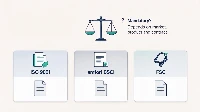
Mechanical safety evidence and weathering evidence answer different questions. BSI's scope for BS EN 581-3 concerns outdoor tables for camping, domestic and contract use. Its published scope states that it does not include resistance to ageing and degradation.
Ask for the report relevant to the finished item, its configuration and intended use, and check the standard's edition and scope. A table report does not establish the performance of an unrelated chair. Nor should a reference to a standard be presented as blanket certification for corrosion, colour retention or cushion performance. Confirm additional project and destination requirements with the responsible adviser.
| Approval item | What the buyer should receive or confirm |
|---|---|
| Product identity | Model, dimensions, configuration, finish and the drawing or schedule being approved |
| Material and construction | Frame material, coating or finish, visible weave, fittings and complete cushion specification where relevant |
| Test evidence | Report identity, tested model, applicable use, standard and scope; differences from the ordered version explained |
| Care and exposure | Written instructions for the intended site, approved cleaning products, storage and warranty conditions |
| Handling and storage | Item weight, approved stacking limits, stack dimensions and handling instructions |
| Replacement | Availability and ordering details for relevant glides, fittings, covers or other serviceable components |
Buy for the way the venue will operate

Make competing quotations answer the same brief
Send each supplier the same project information: location, furniture zones, quantities, intended use, exposure, storage constraints and required delivery arrangements. State which decisions are fixed and which alternatives are welcome. Otherwise, two attractive quotations may describe materially different products and responsibilities.
When reviewing commercial outdoor dining furniture, for example, distinguish the chair specification from the table top, base and any upholstered seat. Record approved substitutions rather than leaving them implicit. Keep material descriptions, sample references and requested evidence in the purchase documents, not scattered across messages that the receiving or maintenance team may never see.
Compare the work and replacement costs, not a promised lifespan
Ask what the team must do each day, during prolonged closure and when an item is damaged. Consider cleaning labour, moving and storing furniture, maintaining finishes, replacing cushions or fittings, and taking items out of service. Use the operator's own staffing and cost information where available; a universal ownership-cost figure would hide more than it explains.
Before committing, have operations review the sample and proposed care routine. Confirm whether replacement components can be identified and ordered, without assuming they will remain available indefinitely. A higher purchase price is not automatically better value, and a cheaper item is not automatically a false economy. The comparison needs the actual products and their operating consequences.
FAQ:
What is the best outdoor furniture material for UK rain?
There is no single answer for every venue. Shortlist products whose documented outdoor suitability, construction and care requirements match the site. Assess cushions separately from frames. For an uncovered dining area, the ability to prepare seating for service may matter as much as the material's response to rain.
Is aluminium better than teak for a hotel terrace?
Consider aluminium where the proposed model suits the handling routine and coated appearance. Consider teak where timber is part of the design and its weathering and care are acceptable. Compare complete samples, documents and maintenance requirements rather than assigning either material an automatic lifespan advantage.
Can commercial outdoor furniture stay outside all winter?
Only rely on that arrangement if the manufacturer supports it for the exact product and exposure. Check the instructions for frames, tabletops and cushions separately, together with warranty conditions. If sheltered storage or covers are required, include their space, handling and purchase needs in the project plan.
Does water-resistant upholstery mean cushions can be left in rain?
Not necessarily. Fabric performance does not describe the complete filling, seams or cushion construction. Request the finished-cushion specification and follow its care and storage instructions. If the venue needs seating available soon after rain, test that requirement on the proposed sample without assuming a universal drying time.
Is resin furniture suitable for commercial restaurants?
A specifically documented product may be. Check the model's intended use, construction, relevant test evidence, stacking instructions and cleaning requirements. "Resin" or "plastic" alone is not enough to approve a chair for a busy restaurant, and another manufacturer's product evidence cannot establish its suitability.
What should a buyer request before placing a bulk order?
Request an agreed product schedule, material and finish details, relevant reports, an approved sample, care instructions, warranty terms and replacement information. Add the site's exposure and storage constraints. Resolve missing documents or differences between the tested sample and ordered configuration before treating the specification as approved.
A workable choice starts with a workable brief
Choose the furniture that the site can use, maintain and store-not simply the material with the most appealing list of benefits. An appropriate choice may differ between the restaurant terrace, sheltered lounge and pool area within the same property.
To build a project shortlist from Howvin's outdoor furniture collections, prepare the quantities, intended zones, exposure and storage constraints first. Ask Howvin to confirm the available model-specific documents and sample arrangements before final approval.