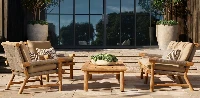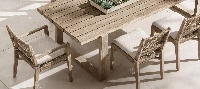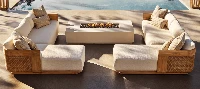

Preventing grease absorption starts before the first meal: seal the tabletop with a food-safe wood sealer.
Wipe spills within minutes, not hours.
Use coasters, placemats, and trivets during service.
Reapply oil or sealant every few months, especially on tabletops used daily.
Deep-clean with mild, pH-neutral cleaners only.
Teak is the gold standard for restaurant patio furniture. It resists rot, shrugs off rain, and develops a beautiful silver-gray patina if left untreated. But there is one area where even the toughest A-grade teak needs help: greasy food stains and oil absorption.
The good news? You can absolutely prevent deep grease penetration. The bad news? Most restaurants skip the critical first step and then wonder why their tables look like a pizza box after three months.
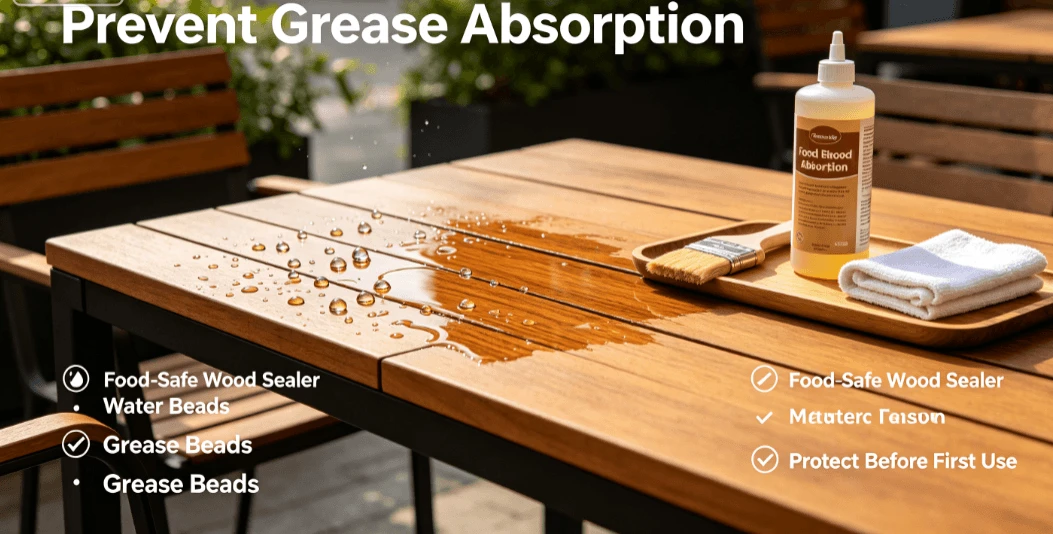
Why Restaurant Teak Tables Absorb Grease Faster Than You Think
Teak's natural oils protect it from water and decay, but they do not form a hard barrier against hot cooking oil, butter, or tomato-based sauces. Teak is technically a hardwood with a tight grain, but it is still porous enough for lipids to seep into the surface when food sits for too long.
A table that has been sanded and left raw will absorb oil in minutes. A table sealed with a quality food-safe finish will repel oil for hours. That difference comes down to preparation, not the wood itself.
One common mistake is assuming that because the table is "teak," it does not need sealing. Another mistake is using the wrong sealer and creating a sticky film that traps dirt and turns rancid.
🔧 Quick rule: If water beads on the surface, grease will also bead and can be wiped away. If water soaks in, grease will too.
Choose the Right Sealer for Your Dining Table
Not all finishes are suitable for a surface that touches food. Some polyurethane coatings can chip and flake into meals, while certain oils go rancid and create a foul smell.
Here is a comparison of common options:
| Sealer Type | Food Safety | Durability | Appearance | Ease of Reapplication |
|---|---|---|---|---|
| Teak oil | ✅ If labeled food-safe | Moderate | Natural matte | Easy, every 1–3 months |
| Tung oil (pure) | ✅ Food-safe when cured | High | Warm amber | Moderate, every 6 months |
| Polyurethane varnish | ⚠️ Only if specifically food-grade | Very high | Glossy film | Hard, needs sanding |
| Nano ceramic sealant | ✅ Typically food-safe after cure | High | Invisible | Moderate, annually |
| Beeswax & mineral oil | ✅ Food-safe | Low | Soft sheen | Easy, every few weeks |
🛡️ Our recommendation: A food-grade nano ceramic sealant or pure tung oil works best for restaurant dining tables. They penetrate deep, do not form a plastic film, and are safe for incidental food contact once cured.
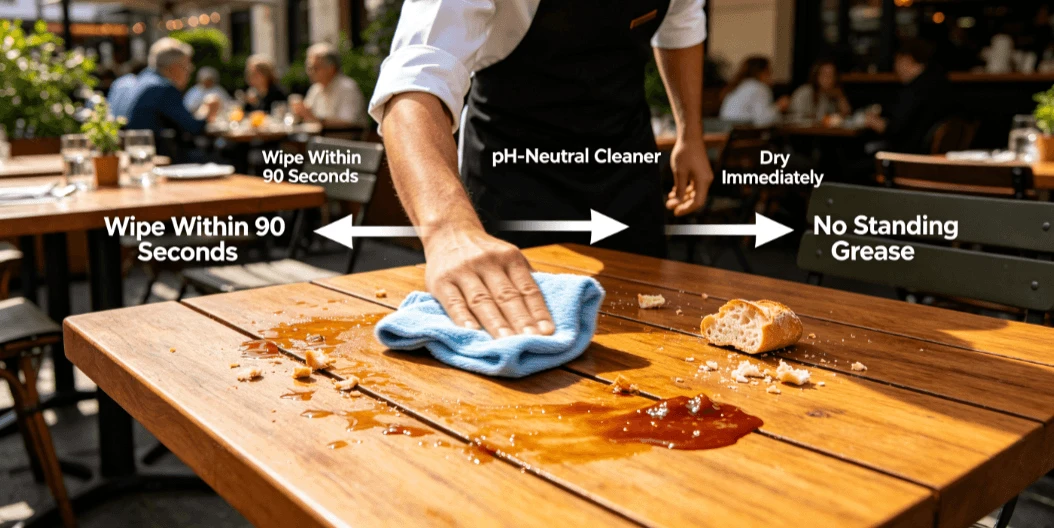
Train Staff on the "90-Second Rule"
Most grease damage happens during the busiest service hours. A plate of fries tips over, aioli drips, olive oil splashes. If someone wipes it within 90 seconds, the table is fine. If it sits until bussing, the oil begins to work into the grain.
Create a simple routine:
🍋 Daily:
Wipe tables with a damp microfiber cloth after every guest leaves.
Use a pH-neutral soap for sticky spots.
Dry the surface with a clean cloth.
🧼 Weekly:
Wash with a soft brush and a mixture of warm water and mild dish soap.
Rinse thoroughly.
Allow to air dry completely.
⚙️ Monthly or quarterly:
Lightly sand any rough areas with fine grit.
Reapply your chosen sealer according to its schedule.
Here is a comparison of cleaners you might consider:
| Cleaner | Safety on Teak | Grease Removal | Frequency | Notes |
|---|---|---|---|---|
| Mild dish soap | ✅ Safe | Good | Daily | Dilute in warm water, rinse well |
| White vinegar (diluted) | ⚠️ Slightly acidic | Fair | Weekly | Do not use undiluted |
| Commercial teak cleaner | ✅ Designed for teak | Excellent | As needed | Follow label; may brighten wood |
| Baking soda paste | ✅ Safe | Good for spots | Occasional | Gentle abrasive, rinse thoroughly |
| Bleach | ❌ Not recommended | Strong | Never | Damages fibers and lightens wood |
This routine works for any teak furniture, including a teak outdoor rocking chair or a teak patio sectional with cushions - except the latter needs extra care for fabric and cushion covers.
What a Teak Outdoor Rocking Chair Can Teach You About Grease Spots
You might not immediately connect a teak outdoor rocking chair with restaurant dining tables, but the finish challenges are similar. Rocking chairs sit outside, collect dust, get sunscreen smears, and occasionally suffer a dropped snack.
Here is the lesson: oil penetration is a function of time, not temperature. A greasy handprint left on a chair arm for a week will stain just as deeply as a hot oil spill on a table left for an hour. That is why many owners of a teak outdoor rocking chair apply an additional coat of paste wax to the armrests and seat edges - areas that see frequent skin contact.
For dining tables, apply the same logic: focus extra protection on the edges and center where plates sit. Those zones get the most abuse.

Why a Teak Patio Sectional with Cushions Is Less Forgiving Than a Dining Table
A teak patio sectional with cushions does not usually face direct food grease, but it does face sunscreen, body oils, and spilled drinks. The teak frame can be cleaned the same way as a dining table, but the cushion fabric requires a completely different approach.
For restaurant dining tables, the tabletop is the cushion. It absorbs everything that lands on it. Therefore, every restaurant should treat its tabletops like an upholstered surface: protect it with a barrier, clean it quickly, and avoid harsh chemicals.
This comparison is useful because many cafe owners already know how to care for a teak patio sectional with cushions but forget that a bare teak tabletop is even more vulnerable to stains.
How a Modern Teak and Rope Outdoor Sofa Set for Boutique Hotels Handles the Same Problem
A modern teak and rope outdoor sofa set for boutique hotels often sits on a rooftop or pool deck where guests eat and drink. The rope accents add a stylish touch, but they can trap crumbs and oil. The teak frame is usually sealed with a matte finish that repels water and grease. However, the rope sections need regular spot cleaning.
For restaurant tables, the lesson from these boutique hotel sets is clear: high-use surfaces need a sealed finish and immediate spot cleaning. If a hotel can keep a rope sofa looking pristine with daily upkeep, a restaurant can certainly keep a teak table stain-free.
The Role of All Weather Grade A Teak Garden Furniture Sets in Long-Term Grease Prevention
When you purchase an all weather Grade A teak garden furniture set, the wood is typically kiln-dried and may arrive with a light oil finish. That initial finish is not enough for a restaurant dining table. It is a base coat, not a stain barrier.
Grade A teak contains a high concentration of natural rubber and oil, making it more resistant to moisture and insects. But those natural oils do not stop hot grease from soaking in. You must add a food-safe topcoat.
🔑 Pro tip: Before sealing a brand-new teak table, wipe it down with mineral spirits to remove any surface oil. Then apply your chosen sealer within 48 hours. This ensures maximum penetration.
Comparison: Raw Teak vs. Oiled vs. Sealed Tabletop
| Condition | Grease Resistance | Water Resistance | Maintenance Frequency |
|---|---|---|---|
| Raw, sanded teak | ❌ Poor | ⚠️ Moderate | High, stains easily |
| Teak oil only | ⚠️ Fair | ✅ Good | Every 1–3 months |
| Food-safe sealer | ✅ Excellent | ✅ Excellent | Every 6–12 months |
| Nano ceramic coating | ✅ Excellent | ✅ Excellent | Annually |
As you can see, the difference between raw and sealed is dramatic. Most restaurants that complain about grease stains are starting with raw or only lightly oiled teak.

Certifications and Food-Safe Standards You Should Look For
Not every wood finish is safe for a surface that might touch food. When buying sealers or pre-finished teak tables, look for these certifications and standards:
FDA 21 CFR 175.300 - This regulation covers resinous and polymeric coatings intended for food contact surfaces. A sealer meeting this standard is safe for dining tables.
EN 71-3 - European toy safety standard that limits the migration of certain elements. Many food-safe wood finishes also comply with EN 71-3, which indicates very low toxicity.
SVLK certification - Indonesian legal wood verification. Ensures your teak is legally sourced, which is important for brand reputation.
FSC-certified teak - Confirms the wood comes from responsibly managed forests. Useful for eco-conscious restaurant marketing.
Kiln-dried moisture content (8–12%) - Not a certificate, but a quality marker. Proper drying prevents warping and helps sealers bond evenly.
When you see these marks on a product, you can trust that the manufacturer takes both safety and quality seriously.
Practical Steps for Removing Existing Grease Stains
If your teak table already has dark grease spots, do not panic. You can often lighten or remove them.
Wash with warm water and mild dish soap to remove surface grime.
Apply a teak cleaner or a paste of baking soda and water. Gently scrub with a soft brush in the direction of the grain.
Rinse thoroughly and let dry.
Lightly sand the stained area with 220-grit sandpaper if the stain remains.
Reapply your food-safe sealer to the entire tabletop.
⚠️ Avoid using bleach or strong alkaline cleaners. They can break down the teak fibers and cause a fuzzy texture.
Daily Prevention Tips for Busy Restaurant Teams
These quick actions require no special tools and take seconds:
✅ Use cork-backed placemats during service.
✅ Place a small tray under oil and vinegar bottles.
✅ Keep a spray bottle of diluted pH-neutral cleaner at each server station.
✅ After bussing, immediately dry the table with a microfiber cloth.
✅ Once a week, check for dull spots where the sealer has worn away.
✅ Keep a small bottle of touch-up oil in the manager's office.
Conclusion
Preventing food stains and grease absorption on restaurant teak dining tables is not difficult, but it requires a system. You need the right food-safe wood sealer, a fast-cleaning routine, and the discipline to reapply protection before the table looks dry.
A-grade teak is incredibly durable, but even the best wood will stain if left unprotected. Treat your tables like you would a teak patio sectional with cushions - protect the surface, clean immediately, and refresh the finish seasonally.
When you buy teak furniture for a restaurant, ask your supplier about the original finish, recommended sealers, and whether the wood is kiln-dried and SVLK-certified. These details make a huge difference in how easy it is to keep tables looking clean.
FAQ:
Q1: How do I remove old grease stains from a teak dining table?
Wash with mild dish soap, scrub with a soft brush, then sand lightly if needed. Reapply a food-safe sealer once the wood is dry.
Q2: What is the best food-safe sealer for restaurant teak tables?
Pure tung oil or a food-grade nano ceramic sealant are excellent choices. Both penetrate the wood and do not form a plastic film that can flake into food.
Q3: How often should I reseal a restaurant teak dining table?
It depends on use. For daily commercial use, reapply oil every 1–3 months or a ceramic sealer every 6–12 months. Check for water beading; when water stops beading, reseal.
Q4: Can I use olive oil or vegetable oil to seal teak?
No. Edible oils go rancid and attract bacteria. Use a dedicated food-safe wood sealer or teak oil specifically designed for furniture.
Q5: Does teak need to be sealed if it is already oily?
Yes. The natural oils protect against rot, not hot grease. A sealer creates a barrier that prevents oil and food particles from soaking into the grain.
Q6: What is the difference between teak oil and tung oil?
Teak oil is a blended product that may contain linseed oil, tung oil, and solvents. Pure tung oil is a natural drying oil that hardens and is food-safe when cured. Both work, but tung oil is more durable.
Q7: Can I use a pressure washer to clean teak dining tables?
Not recommended. High pressure can roughen the wood fibers and strip the sealer. Use a garden hose with a soft brush instead.
Q8: How do I prevent water rings on teak tables?
Wipe up spills immediately and use coasters or cork mats under glasses. Water rings are usually surface moisture trapped under the finish; sealing prevents them.
Q9: Are there any certifications I should look for when buying teak dining tables?
Yes, look for SVLK certification, FSC-certified teak, and finishes that meet FDA 21 CFR 175.300 or EN 71-3 for food safety.
Q10: Can a teak dining table be used indoors and outdoors?
Yes, teak is stable in both environments. However, indoor tables may need less frequent sealing because they are not exposed to rain and UV.