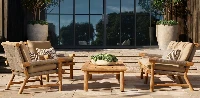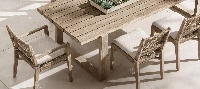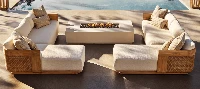

Every restaurant owner who adds outdoor seating asks the same thing before writing a check: will this actually pay for itself? The answer with commercial-grade teak is usually yes-but not because teak is cheap. It isn't. The return comes from a combination of longer replacement cycles, lower daily maintenance labor, and higher perceived value that lets you charge more per seat. In many high-traffic locations, a well-planned teak patio recovers its upfront cost within two to four full seasons, depending on climate and seat turnover.
That payback window matters because outdoor furniture is not a one-time purchase. Cheap aluminum or polywood sets might look fine for a year or two, then fade, crack, or wobble. Teak, especially Grade A heartwood, can stay structurally sound for 15 to 25 years outdoors. So the ROI conversation is less about initial price and more about total cost per guest served over the life of the furniture.

Why a Modular Teak Outdoor Sofa Turns Wasted Patio Space Into Repeat Revenue
A modular teak outdoor sofa is not just a seating option-it's a layout tool. Restaurants with awkward corners, narrow side decks, or rooftop edges often leave that space empty because standard four-top sets don't fit. A modular sofa can be reconfigured into an L-shape, a U-shape, or a long bench. That flexibility means more billable seats in the same square footage, which directly drives revenue per square meter.
From an ROI perspective, the advantage is clear: a modular setup can seat six to eight guests in the same footprint that a traditional two-top table and chairs might occupy. Those extra seats translate into more covers per service, especially during happy hour or late-night drinks when guests linger on comfortable lounges. And because a modular teak outdoor sofa reads as "premium lounge," many operators add a small table-service minimum or reserve the space for bottle service. The furniture itself changes the customer's spending expectation.
But the real cost story is longevity. A resin wicker sectional left outside year-round can sag and fade within three to five seasons. A modular teak frame, properly maintained, can last more than a decade. Replace the cushions periodically, yes-but the frame itself rarely needs replacement. That spreads the initial investment over many more seasons than typical outdoor lounge furniture.
How Teak Outdoor Bar Stools Increase Per-Seat Spend Without Extra Floor Space
High-top seating generates more revenue per square foot than standard dining tables. Guests on bar stools tend to order more drinks, stay for another round, and turn over faster than a party camped at a lounge sofa. Teak outdoor bar stools fit that model perfectly. They are sturdy, weather-resistant, and visually warm-so they work on a street-side rail, a rooftop bar edge, or around a standing table.
From an investment standpoint, teak outdoor bar stools are cost-efficient because they take up very little floor area. A typical bar stool occupies about one-third the footprint of a dining chair plus table setting. That means you can often double the seating count on a narrow sidewalk patio by switching from low dining sets to a high-top bar configuration. More seats in the same licensed space equals more revenue without rent increase.
Teak also handles the abuse of bar service better than most materials. Drinks spill, stools get dragged, customers lean back. Teak's density and natural oil content resist moisture, staining, and scratches. You won't see the same wobble or rust you get with metal frames after a few seasons. Maintenance usually means an occasional light sanding and oiling, which a maintenance worker can do in an afternoon.

The Hidden Cost of Cheap Outdoor Furniture: A Comparison Table
When calculating ROI, many operators only look at the purchase price. That's a mistake. The total cost of ownership includes replacement frequency, repair labor, cleaning time, and how the furniture affects customer perception. Here's how commercial teak compares with common alternatives over a typical multi-year service life.
| Material | Initial Cost | Typical Outdoor Lifespan | Maintenance Needs | Guest Perception | Best Use |
|---|---|---|---|---|---|
| Grade A Teak | 💰 High | 15–25 years | Low: occasional oiling or sanding | Premium, warm, high-end | Full outdoor dining, lounges, fire pit seating |
| Aluminum | 💰 Low–Medium | 5–10 years | Low: wiping, occasional paint touch-up | Modern, casual | High-volume quick-service patios |
| Polywood / HDPE | 💰 Medium | 10–15 years | Very low: soap and water | Clean, practical | Pool decks, family dining |
| Wicker / Resin | 💰 Medium | 3–7 years | Medium: cleaning, weave repair | Resort-style, cozy | Covered patios, low-rain climates |
The table tells a simple story: teak costs more upfront but lasts two to four times longer than cheaper materials. If a restaurant plans to operate for more than five years, teak outdoor bar stools and dining sets usually deliver a lower cost per season than replacing budget furniture every few years.
Space Optimization: Stackable Commercial Teak Outdoor Dining Chairs for Space Saving
Outdoor storage is a real headache for restaurants. Closing staff at 1 a.m. don't want to carry heavy chairs into a back room. Stackable chairs solve that problem, and stackable commercial teak outdoor dining chairs for space saving offer the best of both worlds: solid teak durability with a design that lets you stack six or eight high on a dolly.
Why does this matter for ROI? Labor hours. If your team spends 20 minutes every night moving and stacking chairs, that's over 120 hours a year. With lightweight or awkward furniture, that time grows. Stackable teak chairs are designed for commercial use-they're heavy enough to stay put in wind, but shaped to stack safely. The space-saving benefit also means you can store more chairs in a smaller shed or behind a barricade, freeing up valuable patio space for extra tables.
Hotels and large restaurants often choose stackable teak because it simplifies setup for events. A banquet team can arrange 50 outdoor seats in minutes. That flexibility directly supports private events, which often carry higher per-person revenue than regular dinner service. If a restaurant can host a 40-person cocktail reception on the patio, the stackable chairs pay for themselves quickly.

Fire Pit Lounging: Curved Outdoor Teak Sectional Sofa for Outdoor Fire Pit Seating
Fire pits are a proven revenue driver for bars and restaurants in cooler months. They extend the outdoor season into fall and early spring. But seating around a fire pit needs to be curved or modular to fit the circle. A curved outdoor teak sectional sofa for outdoor fire pit seating solves that layout challenge with a material that won't warp or crack from the heat.
Guests pay more for fire pit seating. Many restaurants charge a reservation fee, a minimum spend, or use the fire pit area as a premium lounge. The furniture has to withstand embers, smoke, and temperature changes. Teak handles all of that. Unlike resin wicker, which can melt or discolor near heat, teak remains stable. A curved sectional made from Grade A teak also looks better with age, developing a silver-gray patina that complements firelight.
From an ROI perspective, a fire pit lounge can generate revenue during months when the patio would otherwise be empty. If a restaurant spends $8,000 on a curved teak sectional and fire pit setup, and that area generates an extra $400 per night in drink sales over 60 cool evenings, the setup breaks even in a single season. The following seasons are pure margin. That's the kind of simple math that makes sense-though the actual numbers depend on your local climate and pricing.
Maintenance Costs and Realistic Labor Hours
Teak furniture has a reputation for being high-maintenance, but that's mostly a myth for commercial use. You do not need to oil teak every month. In fact, many restaurants leave teak to weather naturally to a silver-gray tone, which guests often associate with high-end coastal properties. If you want to keep the honey color, one oiling per season is usually enough.
Compare that to painted metal, which needs touch-ups every spring. Or wicker, which traps food particles and requires weekly vacuuming. Teak surfaces are smooth and dense, so they wipe clean easily. A quick soap-and-water wash after service removes most spills. That translates to lower daily cleaning labor-one of the biggest hidden costs in restaurant operations.
Here's a realistic maintenance comparison for a busy patio with 40 seats:
| Maintenance Task | Teak Furniture | Aluminum | Wicker / Resin |
|---|---|---|---|
| Daily wipe down | ✅ 5–10 minutes | ✅ 5–10 minutes | 🟡 10–15 minutes (crevices) |
| Weekly deep clean | ✅ Mild soap, water | ✅ Soap, water | 🟡 Brush required |
| Seasonal refinish | ✅ Once a year if desired | 🟡 Paint touch-ups | 🔴 Weave repair |
| Replacement cycle | ✅ 15+ years | 🟡 5–10 years | 🔴 3–7 years |
The fewer hours your staff spend scrubbing and repairing, the more they spend serving guests. That's a direct ROI gain that rarely shows up on an invoice but shows up in your labor cost line every week.

Certification and Sourcing: What Smart Buyers Ask For
When investing in commercial teak for a restaurant patio, the wood's origin matters. SVLK (Indonesia's timber legality verification system) and FSC (Forest Stewardship Council) certification ensure the teak is legally harvested and traceable. For operators concerned about sustainability claims-something customers increasingly notice-these certifications protect your brand reputation.
Grade A teak refers to heartwood from the center of mature trees. It contains high levels of natural oil and rubber, making it resistant to rot, insects, and moisture. Lower grades include sapwood, which is lighter in color and less durable. Always ask your supplier to specify the percentage of heartwood. A cheap teak table might include sapwood edges that deteriorate quickly.
Other useful certifications for outdoor furniture include ISO 9001 for manufacturing quality control and OEKO-TEX Standard 100 or GREENGUARD Gold for cushion fabrics if your seating includes upholstered pieces. If you're placing a large order for a restaurant group, request third-party test reports from SGS, Intertek, or TÜV Rheinland to confirm the material composition and durability claims. These documents protect your investment and can support insurance or safety audits.
Common Mistakes That Kill Teak ROI
Not all teak furniture delivers the same return. Avoid these errors:
❌ Buying Grade C teak with lots of sapwood to save money. It rots and cracks quickly.
❌ Using indoor cushions on outdoor teak frames. They hold moisture and lead to mold.
❌ Placing teak furniture in standing water. Teak resists rot but still needs drainage under feet.
❌ Applying thick varnish or paint. It traps moisture and peels. Use teak oil or let it weather naturally.
❌ Neglecting to secure furniture in windy areas. Teak is heavy, but stackable pieces can blow over.
Each mistake shortens the lifespan and erodes the return. A well-sourced, properly maintained modular teak outdoor sofa or teak outdoor bar stool set will outlast most restaurants' lease terms. That's the kind of durability that lets you focus on food and service instead of furniture shopping every spring.
FAQ:
How long does commercial teak furniture last in a restaurant outdoor setting?
Grade A teak heartwood can last 15 to 25 years outdoors, even in harsh coastal or high-UV environments. Cushions and fabric covers may need replacement every 3 to 5 years, but the frames themselves rarely fail.
Does teak furniture require a lot of maintenance to keep its color?
No. If you want to keep the golden honey color, apply a teak oil once or twice a season. Many restaurants let teak weather naturally to a silver-gray patina, which requires almost no upkeep beyond occasional cleaning.
Is teak outdoor furniture fire-resistant enough for restaurant fire codes?
Teak wood itself is dense and has some natural fire resistance, but it is not fireproof. For commercial use, cushions and upholstered pieces must meet local fire standards such as CAL TB 117-2013, NFPA 260, or BS 5852. Ask your supplier for full assembly test reports.
Can stackable commercial teak dining chairs really save significant space?
Yes. Stackable commercial teak outdoor dining chairs for space saving are designed to stack safely, often five to eight high on a dolly. This reduces storage area needs and speeds up setup and breakdown, especially for events or seasonal storage.
What's the typical payback period for investing in teak outdoor seating for a restaurant?
Most restaurants recover the investment within two to four full outdoor seasons, depending on seat turnover, pricing, and climate. In high-traffic bar areas with teak outdoor bar stools, payback can be faster because bar seating generates more revenue per square foot.