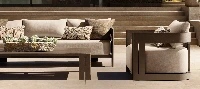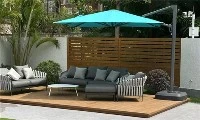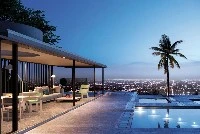

In high-turnover commercial dining environments, selecting table top materials dictates operational efficiency, aesthetic longevity, and bottom-line profitability. Restaurant table tops face severe operational stresses: high customer seating turnover, thermal shocks from hot cookware, aggressive chemical sanitizations performed dozens of times daily, stubborn food spills, and relentless atmospheric exposure including ultraviolet radiation and oceanfront salt spray. When evaluating how HPL compares to sintered stone or natural teak for high-turnover restaurant table tops, hospitality procurement teams must look beyond initial surface aesthetics to analyze material degradation mechanics and lifecycle economics.
As a dedicated commercial manufacturer, Howvin engineers specialized dining solutions designed to withstand demanding commercial use. This report presents an technical comparison evaluating High-Pressure Laminate (HPL), sintered stone, and natural teak. We analyze structural resilience, environmental resistance, financial payback timelines, structural frame integration, and international quality certifications.

Environmental Resilience and Material Degradation Mechanics
Commercial outdoor dining furniture operates in unmanaged environments where ambient moisture, sunlight, thermal swings, and chemical cleaning agents accelerate material fatigue. Understanding the chemical composition of each surface material is vital for predicting failure points in high-volume hospitality venues.
UV Radiation and Photo-Oxidation
Solar ultraviolet radiation induces photochemical reactions that disrupt polymer bonds and organic pigments in exterior materials.
Outdoor-grade HPL consists of multiple layers of kraft paper impregnated with phenolic resin, topped with a decorative paper sheet saturated with thermosetting resin (melamine), and consolidated under high hydraulic pressure and elevated temperatures. To prevent UV-induced photodegradation, exterior-grade HPL incorporates a protective acrylic polyurethane surface film. Under accelerated xenon-arc weathering testing per ASTM G154, high-grade outdoor HPL maintains high color fastness with minimal surface yellowing or micro-cracking over extended outdoor exposures.
Sintered stone is composed of inorganic minerals-including quartz, feldspar, and glass oxides-compacted under extreme pressure and vitrified in kilns at temperatures exceeding 1200°C. Because its mineral structure is entirely inorganic, sintered stone is immune to UV photo-oxidation. It experiences zero color fading, chalking, or structural degradation regardless of solar radiation exposure levels.
Natural teak (Tectona grandis) contains natural oils, rubber compounds, and organic lignin. When exposed to solar UV rays, lignin breaks down via photo-oxidation. Within 3 to 6 months of outdoor exposure, natural golden-brown teak oxidizes into a silver-grey patina. While this patina does not compromise the structural integrity of the timber, maintaining its original golden hue requires continuous cleaning and application of protective teak sealants.

Salt Spray and Coastal Atmospheric Corrosion
Coastal hospitality venues present aggressive environments where airborne sodium chloride accelerates surface efflorescence and material degradation.
HPL features a non-porous surface that prevents salt water penetration. When tested under neutral salt spray conditions in accordance with EN 581-1/2/3 standards, premium HPL tops exhibit no edge delamination, blistering, or surface breakdown.
Sintered stone exhibits a water absorption rate near zero (less than 0.1%). Airborne salt crystals cannot penetrate its vitrified structure, eliminating the risk of sub-surface salt crystallization, internal pressure buildup, or surface spalling in oceanfront dining setups.
Natural teak resists salt spray corrosion due to its dense grain structure and high natural oil content. However, unsealed end-grain on teak table tops can absorb moisture and salt deposits, creating micro-environments where mold and mildew thrive unless subjected to routine freshwater washing.
Thermal Shock and Mechanical Impact Dynamics
High-turnover dining requires surfaces capable of handling thermal spikes from hot serving dishes as well as mechanical impacts from dropped heavy cookware, utensils, or glassware.
HPL possesses high flexural strength and elasticity due to its cellulose-reinforced resin matrix. It absorbs thermal impacts up to 180°C without scorching or cracking and tolerates physical impacts from heavy dinnerware without shattering or chipping along table edges.
Sintered stone boasts superior heat tolerance, accommodating direct contact with hot pots up to 300°C without thermal discoloration. However, its rigid crystalline structure results in lower impact energy absorption. Unsupported thin sintered stone slabs (6mm to 12mm) are susceptible to perimeter chipping or shearing along exposed edges when struck by heavy cookware or metal chair backs during quick table turnarounds.
Natural teak acts as a thermal insulator, remaining comfortable to touch even under intense midday sunlight. While resistant to dropping impacts without shattering, raw teak is soft enough to scratch, dent, or gouge under sharp cutlery or localized point loads.
Chemical Stains and Commercial Sanitizers
Fast-casual and fine-dining operations rely on aggressive sanitization protocols utilizing quaternary ammonium compounds, 70% isopropyl alcohol solutions, or dilute sodium hypochlorite (bleach) applied repeatedly throughout the operating day.
HPL table tops feature a fully cured melamine surface layer that resists chemical degradation. It withstands concentrated alcohol sprays, commercial degreasers, citrus acids, olive oil, and red wine without staining, etching, or clouding.
Sintered stone provides ultimate chemical resistance. Being completely non-porous and chemically inert, it remains unaffected by industrial solvents, acidic food spills, or harsh descaling chemicals, making daily maintenance straightforward for restaurant staff.
Natural teak is naturally porous. Without specialized protective sealants, untreated teak absorbs cooking oils, wine, coffee, and acidic sauces into its wood grain, leading to permanent dark staining that requires mechanical sanding to remove.
| Performance Parameter | 🧪 HPL (High-Pressure Laminate) | ⛰️ Sintered Stone | 🌿 Natural Teak |
| ☀️ UV Fastness | High (UV protective film prevents chalking; ASTM G154 compliant) | Exceptional (Inorganic mineral matrix; zero color alteration) | Moderate (Oxidizes to silver-grey patina within months without oiling) |
| 🌊 Salt Spray Resilience | Excellent (Non-porous; certified under EN 581 testing) | Absolute (Absorption <0.1%; zero internal crystallization) | High (Naturally oily wood; end-grain requires periodic washing) |
| 🌡️ Thermal & Impact Behavior | High (180°C limit; elastic core absorbs heavy utensil drops) | Extreme Heat / Moderate Impact (300°C+ heat limit; brittle edges) | High (Insulating surface; soft structure prone to minor dents) |
| 🧪 Sanitizer & Chemical Resistance | Superior (Melamine seal resists bleach, alcohol, wine, citrus) | Total (Chemically inert; unaffected by industrial solvents or acids) | Moderate (Porous structure; vulnerable to oil and grease absorption) |
Evaluating Financial ROI and Contract Outdoor Furniture for Projects
Selecting contract outdoor furniture for projects requires evaluating initial purchasing costs against recurring operational expenses. Commercial project managers must balance upfront capital expenditure against long-term maintenance overhead to optimize Return on Investment (ROI) across multi-year asset lifecycles.
Initial Capital Expenditure (CAPEX) versus Long-Term Operating Overhead (OPEX)
Initial CAPEX encompasses raw material sourcing, specialized manufacturing, precision edge-fabrication, packaging, and international freight transport.
HPL represents an economically efficient solution for commercial dining procurement. Its standardized press manufacturing yields high production volumes at accessible cost points. Furthermore, HPL's high strength-to-weight ratio minimizes container shipping weights, reducing international logistics expenses for multi-property contract projects.
Sintered stone demands higher initial CAPEX. Sourcing high-purity mineral clays, operating heavy compaction presses, executing diamond-waterjet cutting, and applying safety backing mesh drive up unit production costs. Heavy slab weights also increase freight tariffs and necessitate reinforced table base support structures.
Natural teak commands a premium CAPEX driven by global supply constraints for sustainably harvested timber. Premium Grade-A teak-harvested exclusively from the dense heartwood of mature trees-requires substantial raw timber investment, precision kiln-drying, and skilled woodworking.
Operating expenditure (OPEX) includes daily sanitization labor, scheduled periodic maintenance, surface restoration treatments, and premature unit replacements.
HPL table tops deliver low annual OPEX. They require no specialized treatments, protective waxes, or periodic refinishing. Standard wiping with commercial neutral detergents keeps surfaces fully compliant with health and safety standards, allowing venue operators to optimize kitchen and service staff labor efficiency.
Sintered stone similarly requires minimal ongoing OPEX due to its non-porous, stain-resistant surface. However, long-term OPEX can rise if edge-chipping occurs during aggressive service turns, requiring specialized epoxy-resin filling or professional stone edge grinding to restore appearance and safety.
Natural teak incurs high ongoing OPEX in high-turnover commercial spaces. Maintaining teak's original golden hue demands quarterly or biannual refinishing cycles involving deep chemical washing, light surface sanding, and manual application of teak oil or penetrating sealers. In high-turnover settings, this ongoing maintenance labor significantly inflates total operational costs over a 3-to-5-year operational horizon.

Total Cost of Ownership and Lifecycle Financial Profile
Total Cost of Ownership calculates the combined impact of initial purchasing cost, ongoing maintenance labor, and expected service lifespan before replacement. Total Cost of Ownership equals initial capital expenditure plus recurring operating expenses over the product lifespan.
For high-turnover casual dining, hotel breakfast terraces, and high-density restaurant spaces, outdoor HPL delivers a fast ROI payback horizon (typically 12 to 18 months) due to its combination of low CAPEX, zero refinishing costs, and robust durability.
For luxury resort dining, executive lounges, and upscale steak houses, sintered stone provides an extended service life (10+ years) with premium aesthetic retention, delivering favorable long-term ROI despite higher initial CAPEX investment.
Natural teak offers high brand prestige and organic luxury appeal. However, its longer ROI payback horizon in fast-turnover dining makes it best suited for high-margin fine dining venues where premium guest ticket averages offset recurring wood refinishing overhead.
| Financial & Operational Metric | 💵 HPL Table Tops | ⛰️ Sintered Stone Tops | 🌿 Natural Teak Tops |
| 💰 Initial CAPEX Index | Low to Moderate (Optimized bulk production & freight weight) | High (Specialized mineral processing & heavy freight load) | High to Premium (Driven by sustainable mature heartwood costs) |
| 🛠️ Annual OPEX Overhead | Minimal (Zero refinishing labor beyond daily cleaning) | Minimal (Low maintenance; occasional edge-chip repair costs) | High (Requires periodic sanding, washing, and re-oiling labor) |
| ⏳ Expected Useful Lifespan | 6 – 10 Years (Commercial outdoor usage) | 10 – 15+ Years (Indefinite surface life if protected from edge impacts) | 5 – 8 Years (Varies based on refinishing frequency and weather) |
| 📈 Average ROI Recovery Horizon | 12 – 18 Months (Rapid capital recovery profile) | 24 – 36 Months (Longer recovery offset by extended lifespan) | 36 – 48 Months (Heavily impacted by recurring maintenance OPEX) |
Framing and Compatibility Insights from an Aluminum Outdoor Furniture Supplier
A table top cannot function independently; its long-term stability and structural durability depend on integration with its underlying chassis frame and dining chair configuration. As an experienced aluminum outdoor furniture supplier, Howvin engineers compatible frame systems that ensure structural integrity, guest comfort, and efficient floor space management.
Matching Material Weight and Structural Load Requirements
Selecting table top materials directly dictates chassis framing requirements and floor loading calculations.
Sintered stone tops weigh significantly more than alternative materials (a 12mm sintered stone slab weighs approximately 30 kilograms per square meter). Mounting sintered stone tops onto commercial dining bases requires structural support. Chassis frames must incorporate thick-walled powder-coated aluminum profiles, full perimeter sub-frame mounting rings, and internal support crossbars to prevent center deflection and isolate the stone slab from structural racking forces when tables are moved by service staff.
HPL tops weigh substantially less (12mm solid core outdoor HPL weighs approximately 16 kilograms per square meter). This balanced structural profile allows pairing with sleek, lightweight powder-coated aluminum table pedestals and four-leg bases without compromising tipping stability. Furthermore, direct threaded insert mounting into solid-core HPL provides high pull-out strength, keeping table tops securely fastened during frequent venue reconfigurations.
Natural teak tops fall into a medium weight class (18mm to 24mm outdoor teak tops weigh approximately 14 to 18 kilograms per square meter). Teak framing must account for wood expansion and contraction caused by seasonal humidity changes. Mounting hardware connecting teak tops to metal frames must utilize slotted expansion channels or flexible elastomeric grommets rather than rigid fixed fasteners to prevent wood warping or frame distortion.
Designing the Ideal Outdoor Dining Table Chair Set and Ergonomic Setup
Optimizing outdoor dining layouts requires careful coordination of table heights, chair arm clearances, knee clearance zones, and frame base footprints. Standard commercial dining ergonomics dictate a table top surface height of 750mm paired with a chair seat height of 450mm, leaving a vertical knee clearance zone of 300mm from the underside frame base to the seat top.
When specifying a complete outdoor dining table chair set, procurement officers should match table top edge profiles with seating frame materials:
HPL Table Tops + Powder-Coated Aluminum Chairs: Creates a contemporary, highly functional dining set. Aluminum chair frames finished with electrostatically applied polyester powder coatings match the clean edges of HPL tops, delivering lightweight, stackable seating configurations that streamline daily venue closing routines.
Sintered Stone Tops + Upholstered Marine-Grade Aluminum Seating: Pairs sleek stone aesthetics with cushioned dining chairs featuring quick-dry reticulated foam and solution-dyed acrylic fabrics. This configuration elevates luxury guest experiences on resort terraces while ensuring high weather resistance.
Natural Teak Tops + Teak/Aluminum Hybrid Chairs: Combines warmth with structural resilience. Utilizing aluminum chair frames fitted with teak armrests creates visual continuity while reducing total furniture set weight compared to all-wood seating options.

Sustainability and Compliance Performance of the Teak Outdoor Dining Table and Modern Composites
Commercial procurement for international hotel chains and restaurant franchises requires strict adherence to international safety, quality management, and environmental compliance standards. Verification by independent third-party testing agencies ensures contract furniture meets global regulatory requirements.
Regulatory Certifications and Standard Testing Frameworks
To guarantee commercial durability, dining table assemblies must hold verified compliance certifications:
EN 581-1/2/3 Compliance: The benchmark European standard governing outdoor furniture safety, structural strength, and stability for contract environments. Testing validates vertical static loads exceeding 150 kilograms, horizontal fatigue testing, edge durability, and tip-over resistance under intense commercial usage conditions.
ISO 9001 Quality Management: Confirms manufacturing facilities adhere to strict quality control processes across raw material selection, CNC machining, edge finishing, sub-assembly, and final inspection.
ISO 14001 Environmental Management: Verifies manufacturing operations meet environmental metrics, controlling volatile organic compound emissions, recycling industrial wastewater, and optimizing raw material utilization.
FSC (Forest Stewardship Council) Chain of Custody: Essential for any teak outdoor dining table. FSC certification guarantees timber originates from responsibly managed forests that preserve biodiversity, protect indigenous land rights, and enforce sustainable yield forestry practices.
Independent Testing Verification: Quality assurance validation performed by global testing bodies like SGS and TÜV Rheinland verifies that materials meet rigorous standards for fire resistance, heavy metal toxicity, UV weatherability, and structural fatigue resistance prior to project deployment.
| Compliance & Testing Standard | 📜 Benchmark Focus | 🧪 Target Standard & Protocol | 🎯 Commercial Project Significance |
| EN 581-1 / EN 581-2 / EN 581-3 | Contract Outdoor Safety & Durability | Static load, structural fatigue, tip-over testing | Mandated requirement for European and global commercial hospitality venues |
| ASTM G154 | Accelerated Xenon-Arc UV Weathering | Continuous UV radiation & moisture condensation cycles | Guarantees color fastness and surface integrity under intense solar exposure |
| FSC Certification | Sustainable Forest Management | Full chain-of-custody tracking from forest to finished table | Guarantees legal, environmentally responsible timber sourcing for green building projects |
| ISO 9001 / ISO 14001 | Quality & Environmental Systems | Factory audit compliance across manufacturing processes | Ensures manufacturing quality control and sustainable production practices |
| SGS / TÜV Rheinland Validation | Third-Party Laboratory Testing | Chemical toxicity, stain resistance, structural load analysis | Provides verified proof of material compliance for enterprise procurement teams |

Strategic Hospitality Decision Framework
Selecting between HPL, sintered stone, and natural teak requires matching material performance characteristics to your specific hospitality operating model:
High-Density Casual Dining & Food Courts: Specify outdoor-grade HPL tops paired with powder-coated aluminum bases. This combination delivers low upfront CAPEX, zero refinishing costs, high impact resistance, and a rapid 12-to-18-month ROI recovery profile.
Luxury Resort Terraces & VIP Lounges: Specify sintered stone tops mounted onto reinforced aluminum chassis frames. Sintered stone provides an ultra-luxurious aesthetic, absolute UV fastness, extreme heat resistance, and an extended 10-plus year service lifespan.
Boutique Hotels & Eco-Luxury Retreats: Specify FSC-certified natural teak table tops paired with hybrid teak-aluminum seating. Teak delivers organic warmth, biophilic design appeal, and high brand prestige, provided operating budgets allocate funding for routine wood cleaning and re-oiling maintenance.
Howvin provides end-to-end commercial project solutions-supplying engineered HPL, sintered stone, and teak dining tables integrated with commercial-grade powder-coated aluminum frames engineered for international hospitality projects.
FAQ:
1. Why is outdoor HPL increasingly specified over solid wood for high-turnover restaurant patios?
Outdoor-grade HPL delivers superior dimensional stability, chemical stain resistance, and lower operating expenses compared to natural timber. Unlike wood-which absorbs moisture, requires periodic sanding, and demands routine oil treatments-HPL features a non-porous melamine surface seal that withstands daily commercial sanitizations, citrus acids, and red wine without staining. Combined with lower initial purchasing costs and zero refinishing overhead, HPL offers venue operators a faster ROI payback horizon in high-volume dining spaces.
2. Can sintered stone table tops crack or chip under daily commercial operational conditions?
While sintered stone offers extreme scratch resistance and heat tolerance up to 300°C, its rigid crystalline structure makes unsupported thin slabs vulnerable to perimeter impact damage. In fast-paced dining environments, striking table edges with heavy cast-iron cookware or metal chair frames can cause perimeter chipping. To prevent this, commercial furniture suppliers mount sintered stone onto heavy-duty aluminum perimeter support frames and specify sub-top boards to absorb mechanical stress during venue operations.
3. How does natural teak table top maintenance impact long-term operational expenditure (OPEX)?
Unsealed natural teak oxidizes into a silver-grey patina within months when exposed to solar UV rays and weather. Maintaining teak's original golden-brown wood tone requires dedicated annual OPEX funding-typically involving bi-annual deep washing, light surface sanding, and manual application of teak oils or protective sealants. If maintenance is neglected, food oils and red wine can penetrate the porous wood grain, leading to deep staining that requires extensive sanding to restore.
4. What structural chassis specifications are required when pairing heavy table tops with commercial dining bases?
Heavy table tops-such as 12mm sintered stone slabs weighing approximately 30 kilograms per square meter-require engineered aluminum alloy chassis frames with heavy-duty mounting plates and perimeter support rails to prevent flexing and tipping. Conversely, lightweight solid-core HPL tops (16 kilograms per square meter) allow pairing with sleeker aluminum bases while maintaining structural stability and structural screw-holding strength for commercial usage.
5. Which international testing standards should commercial procurement managers verify before purchasing outdoor restaurant tables?
Procurement teams should verify compliance with EN 581-1/2/3 standards, which evaluate mechanical safety, structural load capacity, and tip-over stability under commercial use conditions. Additionally, confirm ASTM G154 compliance for UV weathering and color fastness, FSC certification for sustainable timber sourcing, and independent lab quality validation from third-party bodies such as SGS or TÜV Rheinland.
6. How does outdoor-grade HPL perform in coastal beachfront venues exposed to extreme salt spray?
Outdoor-grade HPL performs exceptionally well in harsh marine environments. Manufactured with non-porous resin surfaces, HPL is completely impervious to salt spray and atmospheric moisture. It will not corrode, blister, absorb airborne salt, or experience edge delamination when subjected to marine conditions, making it an ideal choice for oceanfront hotel dining terraces and coastal resorts.