
🌲 Commercial Timber & Hospitality Procurement Summary: A frequent dilemma faced by resort developers, country club procurement managers, and commercial outdoor furniture buyers is determining whether wooden patio investments require industrial preservative dipping or vacuum pressure impregnation. Unlike standard softwoods that rely heavily on synthetic fungicides and copper salts to delay decay, high-grade teak wood (Tectona grandis) contains an extraordinary concentration of organic oils, natural rubbers, and silica deposits. Answering the fundamental question: does teak wood require chemical treatments or pressure-treating for outdoor protection? The short engineering answer is no. Applying artificial pressure treatments to quality teak heartwood is not only completely redundant, but it can also degrade the timber's grain aesthetics, violate green building standards, and pollute natural outdoor environments.

1. Demystifying Pressure Treatment: Softwoods vs. Organic Hardwood Chemistry
To understand why chemical impregnation is unnecessary for teak, hospitality buyers must first distinguish between standard structural softwoods and high-density tropical hardwoods.
Commercial pressure-treating involves sealing lumber inside an autoclave vacuum cylinder and forcing chemical preservatives deep into the wood fibers under intense hydraulic pressure. The most widespread treatments rely on synthetic chemical solutions:
Chromated Copper Arsenate (CCA): A heavy-metal chemical preservative containing arsenic, copper, and chromium.
Alkaline Copper Quaternary (ACQ): A water-based copper chemical treatment used as a toxic pesticide substitute for CCA.
Copper Azole (CA-B / CA-C): An amine-copper fungicide formulated to prevent soil decay in soft pine or fir lumber.
When softwoods like Southern Yellow Pine or Douglas Fir are harvested, their low cellular density and lack of natural extractives render them immediately vulnerable to wood-rotting fungi, subterranean termites, and moisture absorption. Without vacuum-forced chemical toxic salts, softwoods warp, split, and decay within 12 to 24 months of ground contact or open rainfall exposure.
In sharp contrast, tropical teak heartwood develops an intricate natural defense mechanism over decades of growth. The wood's tight, interlocked cellular matrix naturally repels liquid moisture while holding organic organic extractives locked inside the cellular walls.
Consequently, when procurement teams evaluate: does teak wood require chemical treatments or pressure-treating for outdoor protection?, metallurgical and botanical analyses confirm that quality teak possesses its own biologically engineered defense system. Vacuum pressure impregnation cannot penetrate teak's dense oil-saturated pores, leaving superficial chemical residues on the surface that serve no protective purpose.
2. Botanical Anatomy: Why Grade-A Heartwood Requires Zero Synthetic Preservatives
The performance of outdoor teak furniture depends entirely on which portion of the log is processed during manufacturing.
Teak logs contain three distinct structural zones:
Grade-A Heartwood: Extracted exclusively from the central core of mature teak trees (typically 30 to 50 years old). It exhibits a rich golden-amber hue, straight tight grain lines, and an exceptionally high concentration of tectoquinone (a natural organic insecticide) and natural rubber resins.
Grade-B Heartwood: Originates from the outer heartwood ring. It possesses a slightly lighter coloration, moderate oil density, and reliable weather resistance, though slightly less dense than Grade-A cutings.
Grade-C Sapwood: The soft, living outer layers of the tree. Sapwood is pale yellow, porous, lacks natural organic oils, and will decay if exposed to rain and moisture without synthetic protection.
🔬 Organic Chemistry of Teak Protection
The secret behind teak's immunity to rot lies in three natural bio-compounds:
Tectoquinone: An organic quinone compound synthesized by the tree that acts as a natural termite repellent and fungicide.
Silica Content (up to 1.5%): Microscopic sand-like particles embedded within the wood grain that dull insect jaws and block fungal hyphae penetration.
Natural Rubber Resins: Long-chain hydrocarbon polymers that coat internal cell walls, preventing water absorption and suppressing swelling or shrinkage during freeze-thaw weather cycles.
3. Comparative Analysis: Natural Teak vs. Pressure-Treated Softwoods
Understanding the structural differences between naturally preserved hardwoods and chemically altered lumber helps commercial property buyers optimize long-term asset management:
📊 Structural & Chemical Comparison Matrix
| Performance Attribute | Grade-A Natural Teak Heartwood | Pressure-Treated Southern Pine (ACQ) | Untreated Standard Hardwood (Eucalyptus) |
| Natural Rot Resistance | 🟢 Class 1 (EN 350-2: Very Durable) | 🔴 Class 5 (Non-Durable without Chemicals) | 🟡 Class 3 (Moderately Durable) |
| Chemical Additives Required | 🟢 0% (100% Organic & Chemical-Free) | 🔴 3–8% Heavy Metal Salts by Weight | 🟡 Requires Annual Solvent Stains |
| Termite & Marine Borer Defense | 🟢 Inherent (Tectoquinone & Silica) | 🟡 Chemical Surface Barrier | 🔴 Low (Vulnerable to Insect Attack) |
| Leaching & Environmental Risk | 🟢 Zero Environmental Leaching | 🔴 Copper/Arsenic Leaches into Rain Runoff | 🟢 Low Leaching |
| Expected Outdoor Lifespan | 🟢 50+ Years (Untreated) | 🟡 10–15 Years (Requires Re-treating) | 🔴 3–7 Years |
4. B2B Commercial Layouts: Deploying Teak Across High-Traffic Venues
When specifying outdoor furnishings for luxury commercial properties, choosing chemical-free Grade-A teak guarantees safety, comfort, and zero off-gassing under direct sunlight.
⛳ Golf Resorts & Country Club Terraces
For expansive country club verandas subject to daily sun, heavy foot traffic, and food spills, venue managers demand furniture that withstands intense commercial use.
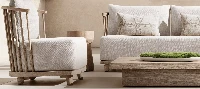
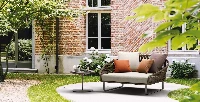
Deploying a commercial grade outdoor teak sofa set for country club patios elevates the property's aesthetic while eliminating maintenance headaches.
Pairing these lounge configurations with a matching grade a teak outdoor sofa provides guests with plush, deep-seating comfort supported by solid timber framing that will never warp or leach chemical residues onto guest clothing.
☕ Urban Coffee Shops & Outdoor Cafés
In urban coffee shops and high-density outdoor venues, tables and chairs are subjected to frequent spills, sanitizing wipes, and constant movement.
Specifying commercial grade teak bistro sets for outdoor coffee shops allows restaurant operators to maintain elegant outdoor dining areas without worrying about synthetic paint flaking or wood split repairs.
🌊 Seaside Resorts & Coastal Coastal Decks
In coastal environments where salt fog, intense UV radiation, and shifting humidity accelerate material degradation, classic seating options like teak adirondack chairs outdoor deliver reliable long-term performance.
Over time, these chairs naturally mature from a warm golden-brown to an elegant silver-grey patina, forming a protective surface oxidation layer that requires zero chemical repainting or synthetic sealers.

5. The Structural Risks of Applying Chemical Pressure Treatments to Teak
While chemical pressure treatment works well for soft construction lumber, applying industrial chemical vacuum processes to dense tropical teak introduces severe manufacturing and aesthetic defects:
⚠️ Four Critical Failures Caused by Chemical Pressure Treatment
Cellular Rupture and Grain Splitting: Teak possesses an extremely dense grain structure with minimal interstitial pore space. Attempting to force waterborne preservatives into heartwood under high hydraulic pressures causes internal cellular wall collapse, leading to deep structural cracks.
Natural Oil Displacement: Hydraulic chemical injection flushes out natural tectoquinone and rubber resins, replacing organic rot-resistant compounds with synthetic copper salts.
Permanent Aesthetic Ruin: Chemical pressure treatments leave dark greenish-brown chemical spots across the wood grain, destroying teak's prized golden amber appearance.
Toxic Chemical Off-Gassing: When placed under direct summer heat, chemically impregnated pressure-treated wood can off-gas synthetic volatile organic compounds (VOCs), creating potential health hazards for guests and violating green building protocols.
6. Weathering Dynamics: Golden Timber to Silver-Grey Patina
One of the most remarkable natural characteristics of untreated Grade-A teak is its graceful aging process when exposed to outdoor elements.

☀️ The Two Options for Commercial Teak Finish Management
Property managers can choose between two distinct aesthetic maintenance approaches, neither of which requires chemical pressure impregnation:
Natural Silver-Grey Patina (Zero-Maintenance Approach):
When left raw and untreated outdoors, UV light and rain wash natural pigments from the surface layer. Over 6 to 12 months, the wood surface develops a silvery-grey patina oxidized layer. This surface transformation is purely aesthetic; the underlying heartwood structure remains completely impervious to rot, mold, and water ingress.
Golden-Tone Preservation (Water-Based Sealer Approach):
If a resort prefers to retain teak's original honey-gold appearance, maintenance crews can apply a breathable, water-based teak sealer containing UV inhibitors once every 12 to 18 months. Unlike oil stains that foster mildew growth, high-performance water-based sealers lock in natural pigments while allowing the wood to breathe naturally.
7. Maintenance Comparison: Natural Teak vs. Chemically Sealed Lumber
To help hospitality teams establish efficient operational budgets, this table outlines ongoing maintenance requirements across different outdoor wood materials:
📊 Multi-Year Maintenance Matrix
| Timber Category | Annual Cleaning Protocol | Protective Coating Needs | Chemical Washing Required? | Long-Term Refinishing Workload |
| Natural Grade-A Teak | Mild soapy water & soft brush | None (Optional Teak Sealer) | 🔴 Never Needed | 🟢 Minimal (Sands Clean Easily) |
| Pressure-Treated Pine | High-pressure power wash | Annual Synthetic Oil Sealer | 🟡 Required to remove mildew | 🔴 Heavy (Scraping, Flaking Paint) |
| Ipe / Shorea Hardwoods | Specialized hardwood cleaner | Bi-annual Penetrating Oils | 🟡 Periodic Chemical Stains | 🟡 Moderate (Wood darkens severely) |
| Polymer Composite Lumber | Detergent wash | None | 🔴 Never Needed | 🔴 Irreparable if scratched or melted |
8. International Testing Standards, Regulatory Compliance, and QA Audits
Commercial procurement departments must verify that timber suppliers adhere to international forestry, environmental safety, and quality control standards.
🛡️ Essential Industry Certifications for Commercial Teak
FSC (Forest Stewardship Council): Guarantees that teak lumber is harvested from responsibly managed plantations that preserve biodiversity, protect soil health, and support local forestry workers.
SVLK (Sistem Verifikasi Kelestarian Kayu): Indonesia's mandatory timber legality verification system, ensuring every log is fully traceable from sustainable plantation origins to finished exported furniture.
EN 350-2 (Durability of Wood and Wood-Based Products): The official European testing standard rating timber natural durability. Grade-A teak heartwood achieves Class 1 (Very Durable), the highest possible natural rating.
REACH & RoHS Compliance: Confirms that finished furniture assemblies contain zero restricted hazardous substances, heavy metals, or toxic chemical preservatives.
ASTM G21 Fungal Resistance Testing: Evaluates wood resistance to mold and fungal spores in warm, humid tropical environments.
9. Total Cost of Ownership (TCO): Long-Term Investment Value
While chemically pressure-treated softwoods feature a lower initial purchase price, their short service life and ongoing maintenance demands make them significantly more expensive over a 10-year commercial operating period.
Calculating the Value of Pure Grade-A Teak
Zero Replacement Cycles: Quality teak furniture lasts 30 to 50+ years in commercial settings, eliminating the need for frequent replacement cycles.
Minimal Maintenance Labor: Housekeeping and facility teams spend less time scraping, sealing, and repairing damaged furniture.
Enhanced Brand Reputation: Eco-conscious guests value sustainable, chemical-free outdoor furnishings that align with green hospitality standards.
FAQ:
Q1: Does applying a teak sealer count as a chemical pressure treatment?
No. Applying a topical water-based teak sealer is entirely different from industrial chemical pressure impregnation. Teak sealer is a surface-level, eco-friendly liquid coating designed solely to block UV light and preserve the wood's natural golden color. It does not force toxic chemicals into the timber matrix and can be easily washed off or sanded down without altering the underlying wood structure.
Q2: Can Grade-A teak be left outdoors during rainy and snow seasons without chemical covers?
Yes. Grade-A teak heartwood naturally withstands extreme weather conditions, including torrential rain, freezing temperatures, and heavy snow pack. Thanks to its dense cellular structure and natural rubber resins, moisture cannot penetrate deep into the grain to cause internal rot or freeze-thaw cracking. While protective covers help keep furniture clean from atmospheric dirt, they are not structurally required to prevent wood decay.
Q3: How can procurement officers verify that teak furniture is genuine Grade-A heartwood and not chemically stained sapwood?
Procurement managers can verify wood quality through visual grain inspection, weight checks, and supplier documentation. Genuine Grade-A heartwood features a dense, straight grain pattern, a warm honey-gold color, an oily surface feel, and a substantial heavy weight. Low-grade Grade-C sapwood is pale yellow, light in weight, and often coated with dark chemical stains to mimic heartwood. Requesting FSC or SVLK chain-of-custody documentation ensures full timber transparency.
Q4: What are the eco-friendly compliance benefits of chemical-free teak for international hospitality projects?
Chemical-free Grade-A teak fully complies with international green building and environmental safety standards, including LEED certification, REACH, and RoHS. Because the timber contains no heavy metals, arsenic, or copper salts, rain runoff from teak patio furniture will not contaminate surrounding soil, plants, or swimming pool water systems, helping resorts maintain eco-friendly operations.