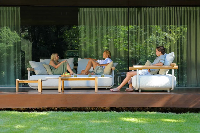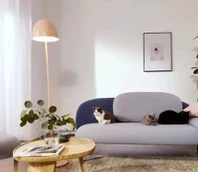
☀️ Outdoor spaces have evolved beyond mere aesthetic structural additions; they now stand as sophisticated, functional continuations of interior architectural footprints. Whether curating a private domestic terrace or mapping out an expansive commercial hospitality deck, the rigorous process of sourcing premium outdoor furniture demands an analytical understanding of material science, structural engineering, and microclimatic adaptability.
Selecting a high-performance outdoor furniture set is fundamentally an exercise in risk mitigation and capital asset optimization. Open-air environments expose materials to an aggressive, compounding matrix of degradation vectors: fluctuating thermal cycles, high-intensity ultraviolet (UV) radiation, corrosive localized humidity, and intense physical mechanical wear.
⚠️ Failure to align material specifications with site-specific environmental realities guarantees premature failure, structural degradation, and rapid aesthetic decay.
To protect capital investments and deliver long-term spatial experiences, designers, procurement officers, and discerning homeowners must look past surface aesthetics. We must analyze the microscopic, structural, and mechanical properties of the systems we introduce to natural elements. This document provides an exhaustive, data-driven framework for specifying a premium outdoor furniture set tailored precisely to specific functional environments and usage metrics.

1. The Core Material Matrix: Engineering for Environmental Microclimates
The longevity of any structural piece placed outdoors depends entirely on its base material composition. Different geographical coordinates present wildly distinct atmospheric challenges, turning product selection into a precise choice of metallurgy, molecular polymers, or organic forestry chemistry.
A. Metals: Cast Aluminum vs. Structural Stainless Steel
For areas prone to intense, unpredictable weather patterns, specifying a best all weather outdoor furniture setup usually leads directly to metal frames. However, not all metals behave uniformly under chemical environmental stress.
Cast Aluminum (Al-Mg-Si series): High-tier cast aluminum is an exceptionally stable alloy for external exposure. Unlike iron or standard steel, aluminum forms a microscopic, non-porous layer of aluminum oxide immediately upon atmospheric contact, preventing further oxygen penetration. For high-end manufacturing, components should feature a wall thickness of no less than 2.0mm to 2.5mm to withstand sudden mechanical loads. The exterior finish should ideally consist of an electrostatically applied, multi-layer thermosetting powder coating baked at temperatures exceeding 200°C. This creates an impermeable shell against moisture and impacts.
Marine-Grade Stainless Steel (316 Grade): In coastal environments characterized by high airborne salinity and chloride exposure, regular 304-grade steel suffers from pitting corrosion. True coastal architectural specifications demand 316-grade stainless steel, which incorporates 2–3% molybdenum. This addition dramatically stabilizes the chromium oxide passive layer against salt attacks, yielding a highly durable outdoor dining set profile that remains structurally sound over decades of constant maritime exposure.
B. Polymers and Synthetics: High-Density Polyethylene (HDPE)
When specifying synthetic wicker weaves or faux-wood surfaces, the chemical distinction between polymers is vast. Low-end options utilize PVC (Polyvinyl Chloride) or basic PE (Polyethylene), which degrade rapidly, turning brittle under UV exposure due to polymer chain scission.
Premium exterior specifications require High-Density Polyethylene (HDPE). HDPE features a highly linear, crystalline molecular structure that offers superior tensile strength and impact resistance. When extruded into premium resin wicker or solid synthetic lumber, it must be infused with specialized hindered amine light stabilizers (HALS). This allows the material to comfortably withstand over 5,000 hours of continuous Xenon-arc accelerated weathering without demonstrating discoloration or structural softening. The result is a genuinely low maintenance outdoor furniture material that does not rot, splinter, or absorb environmental pathogens.
C. Organic Hardwoods: Grade-A Kiln-Dried Teak (Tectona grandis)
For projects requiring natural warmth, Grade-A teak remains the gold standard in organic outdoor architecture.
True Grade-A teak is harvested exclusively from the mature heartwood of old-growth trees (typically 30 to 45 years old). This wood is highly saturated with natural rubber and oleoresins. These organic compounds act as a natural hydrophobic barrier, repelling water and preventing wood rot, fungal decay, and boring insect infestations. To ensure dimensional stability, the timber must undergo a precision kiln-drying process down to an exact moisture content of 8% to 12%. This minimizes subsequent checking, warping, and splitting when deployed across arid or highly variable climates.
🪵 Material Science Note on Teak Aging: When exposed to ultraviolet light and ambient moisture, untreated Grade-A teak undergoes a superficial chemical transformation, developing an elegant silver-grey patina over 9 to 12 months. This oxidation is entirely cosmetic; it does not degrade the internal structural integrity or the dense mechanical shear strength of the timber heartwood.

2. Comprehensive Engineering Performance Matrix
To streamline procurement decisions, the following analytical matrix contrasts the mechanical and operational attributes of major outdoor material classifications:
| Material Classification | Tensile / Structural Strength | UV / Thermal Degradation Resistance | Corrosion & Moisture Resistance | Maintenance Lifecycle Demand | Primary Application Target |
|
Cast Aluminum (Multi-stage Powder Coated) |
High (Rigid, anti-deformation frames) | Exceptional (No thermal softening up to 80°C) | Impermeable (Naturally forms self-passivating oxide layer) | Minimal (Periodic pure water rinsing required) | Exposed poolside patios, high-use dining decks |
| 316 Marine Stainless Steel | Extreme (High shear & load capacity) | Absolute (Impervious to solar radiation breakdown) | Maximum (Resists high-salinity pitting) | Low (Occasional freshwater wipe-downs) | Coastal oceanfront resorts, yacht club docks |
| Grade-A Myanmar Teak | Very High (Dense grain structural stability) | Excellent (Natural oils prevent UV splitting) | High (Natural oleoresins repel internal water logging) | Moderate (Annual oiling optional for color retention) | Premium residential gardens, luxury open-air lounges |
| Engineered HDPE Synthetic Lumber | Medium-High (Flexible, impact resistant) | Superior (Infused with HALS for colorfastness) | Total (100% hydrophobic, zero fluid absorption) | Zero (Requires only basic soap and water clearing) | High-turnover commercial venues, waterparks |
3. The Dual-Perspective Design Framework: Residential vs. Commercial
A critical mistake in spatial planning is treating residential requirements and commercial specifications as interchangeable. While both require visual appeal, their operational realities, stress points, and financial risk profiles are vastly different.
🏡 The Residential Sanctuary: Comfort, Ergonomics, and Modular Versatility
Domestic environments prioritize sensory comfort, personal ergonomic alignment, and fluid spatial flexibility. A residential outdoor furniture set serves as a private escape, requiring deep-seating profiles, thick plush cushioning, and configurations that adjust easily to hosting changes.
Cushion Engineering: Homeowners expect indoor-level comfort outdoors. Cushions should feature high-density polyurethane cores wrapped in hydrophobic polyester batting. This setup balances support with immediate softness. Cover materials must utilize solution-dyed acrylic textiles to prevent fiber fading from sun exposure.
Ergonomic Metrics: Residential seating favors a relaxed posture, featuring a reclined backrest angle (105° to 115°) and lower seat heights (38cm to 42cm), encouraging long, comfortable seating sessions.
Modular Adaptability: Lightweight frames allow residential users to quickly rearrange modular sectional components, converting an intimate family layout into an open configuration for social gatherings.

🏢 The Commercial Infrastructure: High-Traffic Durability, ROI, and Regulatory Compliance
In contrast, commercial environments-such as hotel pool decks, open-air bars, and outdoor corporate dining areas-treat furniture as hardworking operational infrastructure. Every square meter must generate revenue, minimize maintenance downtime, and limit liability risks.
For these demanding spaces, procurement must prioritize heavily reinforced commercial grade patio furniture solutions. The design criteria switch focus to structural longevity and strict regulatory safety standards.
1.Structural Fatigue Resistance: Commercial pieces face constant, careless handling. Joinery must feature full-circumference robotic TIG welds rather than simple mechanical fasteners, which inevitably work loose under repeated stress. Seating systems should easily pass commercial testing protocols, such as BIFMA X5.4, confirming structural integrity under continuous weight loads up to 136kg.
2.Operational Storage & Stackability: Space efficiency is vital for property operations. Commercial dining chairs and lounges must be highly stackable (ideally 4 to 6 units high) to allow rapid nightly clearing, event re-configurations, or off-season storage.
3.Fire Safety Compliance: Many commercial jurisdictions legally mandate strict fire safety standards. Materials must comply with certifications like California Technical Bulletin 117 (CAL 117), requiring self-extinguishing foam cores and fire-retardant outer textiles.
4.Chemical and Fluid Resilience: Public spaces are prone to accidental spills, ranging from high-acid citrus drinks to greasy sunscreens and harsh chlorinated pool chemicals. Surfaces must non-porously resist staining and withstand daily cleaning with industrial-strength sanitizers without surface stripping.
Understanding this division prevents costly purchasing errors. Deploying standard residential furniture into a busy commercial café often results in frame failure within a single season, invalidating standard warranties and creating structural safety hazards.

4. Advanced Technical Specifications & Product Parameters
To illustrate how these engineering standards apply to real-world products, let us examine the specific architectural parameters of a premium 7-piece outdoor furniture set designed for high-end dining environments.
📐 Structural Framing and Dimension Specifications
The collection consists of an expansive rectangular dining table paired with six structural armchairs. The framing utilizes an advanced, reinforced cast aluminum alloy (Al-Mg-Si series) chosen for its high tensile strength and natural corrosion resistance.
.Dining Table Footprint: 210cm (Length) x 100cm (Width) x 75cm (Height) with an integrated 50mm umbrella port. Frame wall thickness measures an unyielding 2.2mm.
.Armchair Dimensions: 62cm (Width) x 65cm (Depth) x 88cm (Height). Seat height sits at an ergonomic 45cm to match standard dining requirements. Armrest heights are set at 64cm to slide easily beneath the table apron.
.Static Load Capacity: Armchairs are engineered and certified to sustain a static vertical load of 180kg without structural deformation. The dining table supports a distributed load of 120kg.
🧪 Hydrophobic Cushion and Surface Finishing Engineering
Comfort and weather resistance rely on a carefully engineered dual-layer system that repels water and prevents moisture retention.
.Textile Enclosure: The seating elements use 100% solution-dyed acrylic fabric (300g/m² weight matrix). Because pigments are introduced directly into the polymer melt prior to fiber extrusion, the textile retains its original color saturation even after prolonged exposure to intense sunlight and harsh UV rays. This fabric is treated with a specialized fluorocarbon water-and-stain-repellent finish, achieving a hydrostatic pressure rating of 300mm.
.Internal Foam Core: The support core uses open-cell Fast-Dry Polyurethane Foam (30kg/m³ density rating). This foam features a porous, web-like molecular structure that allows water to drain through immediately via gravity rather than holding moisture like standard sponges. This rapid drainage system eliminates mold, mildew, and internal bacteria growth, allowing seating to dry completely within 20 to 30 minutes after heavy rainfall.

5. Longevity Protocols: Asset Maintenance & Protection
Even a high-quality, low maintenance outdoor furniture arrangement requires regular care to extend its operational lifespan to its full potential.
Powder-coated metal structures should be washed down every six months using a soft micro-fiber cloth and a mild pH-neutral detergent solution. This process removes built-up atmospheric salt deposits, environmental soot, and acidic bird droppings, preventing slow chemical damage to the protective finish. Avoid abrasive scrubbers or high-pressure power washers, which can micro-fracture the powder coating layer and allow moisture to reach the bare metal underneath.
For teak components, owners must choose between preserving the original warm wood tone or allowing it to mature into a natural silver-grey. Maintaining the golden hue requires applying a premium marine-grade teak protector annually. This water-based solution blocks UV rays to lock in the wood's natural color without sealing in moisture. If the wood has already silvered and you want to restore its original look, treat the surfaces with an oxalic acid-based teak cleaner, followed by light sanding along the natural wood grain.
FAQ:
1. How do I accurately identify whether an outdoor furniture set is truly certified for commercial use versus standard residential applications?
True commercial-grade furniture is accompanied by official testing certifications issued by independent laboratories like Intertek or SGS. Look for explicit compliance with BIFMA X5.4 (for public lounge seating) or EN 581 (European structural safety standards for outdoor contract furniture). Furthermore, commercial pieces feature structural welds around the full joint circumference rather than simple screw connections. They also explicitly state commercial-grade warranties, which cover high-frequency usage environments.
2. What specific engineering features prevent outdoor cushions from developing interior mold and deep-seated mildew?
Preventing mold requires a completely breathable, non-retentive material design. Avoid standard closed-cell or low-density seating foams, which trap moisture inside. Instead, specify open-cell fast-dry foam paired with a solution-dyed acrylic fabric cover. This porous structure allows water to flow straight through the cushion assembly. This rapid drainage prevents water from pooling internally, stopping mold and mildew spores from taking root.
3. Why is powder-coated cast aluminum widely considered superior to wrought iron for open-air poolside settings?
Cast aluminum is completely rust-proof because it naturally develops a protective oxide layer. Wrought iron, conversely, is highly susceptible to rust whenever its outer paint layer develops micro-cracks. Aluminum is also significantly lighter, making it much easier for staff to rearrange or store. Crucially for sun-exposed pool decks, aluminum features a lower thermal conductivity rating than iron, meaning it absorbs less solar heat and remains comfortable to the touch even in peak summer temperatures.
4. Can premium high-density polyethylene (HDPE) furniture remain outdoors during freezing winter sub-zero temperatures?
Yes, high-grade HDPE is engineered to handle extreme temperature ranges, from -40°C up to 80°C, without structural failure. Its linear polymer chains retain elasticity in deep freezes, preventing the cracking and brittleness common in cheap plastics. However, to protect the structural frames from heavy snow loads and keep surfaces clear of industrial winter pollutants, we highly recommend using heavy-duty, breathable polyester furniture covers during prolonged off-season stretches.