



When procurement directors and project engineers plan five-star hospitality spaces, standard retail products simply fail. High-end resorts demand a rigorous Contract Outdoor Furniture Customization framework that bridges architectural vision with structural longevity. Whether outfitting a windy coastal terrace, an upscale beach club, or a high-traffic hotel pool deck, finding a manufacturing partner capable of executing precise engineering and deep design optimization is paramount.
Let's be honest. In the hospitality sector, a beautiful layout means nothing if the furniture degrades after one season of intensive commercial use.
Purchasing agents are not just scouting for generic garden chairs or basic patio dining sets. They are looking for strategic manufacturing partners who understand architectural submittals, liability compliance, and anti-corrosion science.
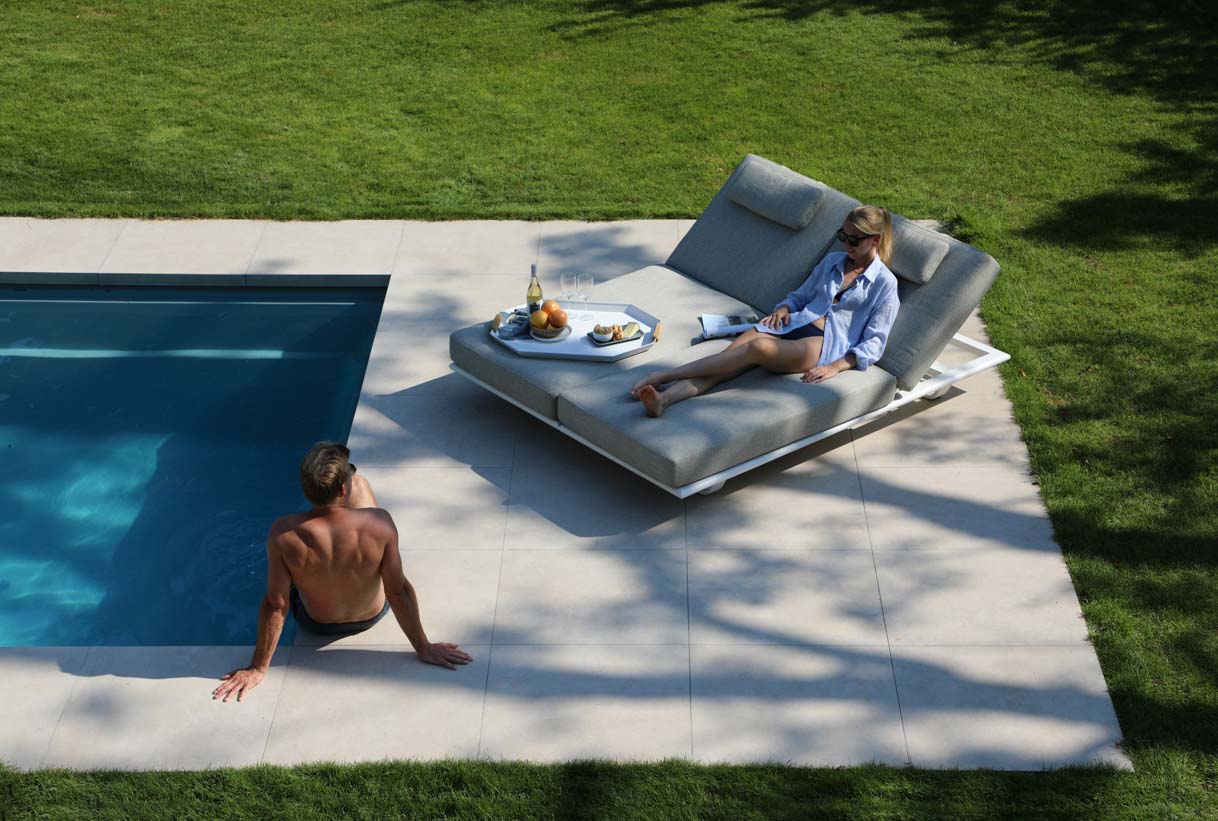
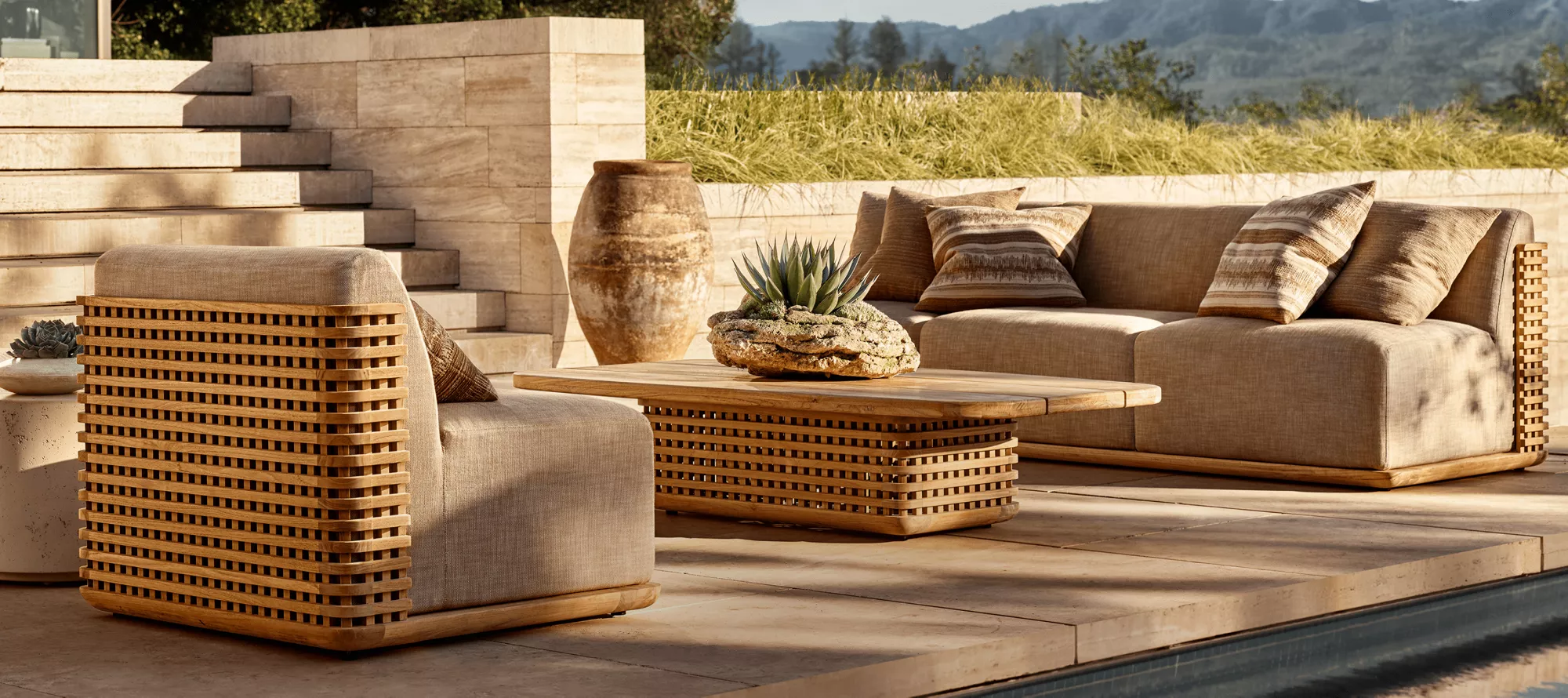
🏨 The Core Reality of Commercial Spaces High-traffic zones like a bustling hotel cafe, a high-end poolside restaurant, or open-air gardens require furniture that can withstand heavy abuse, structural stress, and unpredictable weather conditions. To achieve this, true contract-grade development involves specialized design assets, like customized teak modular daybeds or high-tensile powder-coated aluminum loungers, which blend aesthetic luxury with bulletproof engineering.

📐 Phase 1: Deep Design Semantics & Architectural Submittals
The customization process never begins on the factory floor. It starts with data translation.
A premium manufacturer takes your raw rendering or AutoCAD files and converts them into comprehensive shop drawings. This step is critical for verifying structural proportions, load-bearing cross-sections, and joinery mechanics before single-batch prototyping kicks off.
During this engineering stage, our teams evaluate how specific configurations-such as a sprawling coastal outdoor sectional or a heavy-duty poolside sun lounger-will handle physical weight distribution. We perform meticulous structural stress analysis to eliminate weak points, ensuring the furniture remains entirely safe in public environments.
🛠️ Phase 2: Material Science & Manufacturing Integrity
To survive merciless UV exposure, high humidity, and chlorine air, every raw material undergoes strict vetting. Retail furniture relies on superficial aesthetics; contract-grade production relies on metallurgy and molecular resilience.
For heavy-use commercial environments, we utilize CNC tube bending to ensure uniform frame thickness without causing micro-fissures in the metal. The framework is assembled using full-penetration TIG welding, which delivers vastly superior joint strength compared to spot welding.
Advanced Weatherproofing Technologies
Metal Preservation: Raw aluminum frames receive a multi-stage pre-treatment before undergoing fluorocarbon powder coating. This creates an impenetrable shield against oxidation and impact scratching.
The Textile Core: For soft seating, we implement solution-dyed acrylic fabric (such as Sunbrella or Agora). Unlike surface-dyed fabrics, the pigment is embedded at the polymer level, guaranteeing years of UV resistance.
Moisture Management: Internal cushioning utilizes reticulated quick-dry foam. This open-cell architecture allows water to drain almost instantly, preventing mold and mildew outbreaks at the beach or pool deck.
Woven Accents: For modern, organic aesthetics, premium marine-grade rope furniture and high-density synthetic HDPE wicker are hand-woven over frames, offering maximum tensile strength without fading.
📊 Technical Comparison: Retail vs. True Contract Customization
| Engineering Metric | Standard Retail Grade | Premium Contract Outdoor Furniture Customization |
| Frame Engineering | 1.0mm - 1.2mm wall thickness; spot-welded joints. | 1.5mm - 2.0mm structural wall thickness; full TIG welding. |
| Cushion Core | Regular polyurethane foam (retains moisture like a sponge). | High-density reticulated quick-dry foam (drains within minutes). |
| Surface Finish | Standard powder paint (prone to peeling and salt corrosion). | Multi-stage fluorocarbon powder coating with anti-UV shielding. |
| Wood Standards | Fast-grown, low-density sapwood or mixed hardwoods. | Kiln-dried, certified grade-A teak wood rich in natural protective oils. |
| Testing Protocols | Basic weight capacity self-certification. | Independent salt-spray testing (1000+ hours) and BIFMA structural ratings. |
🌊 Phase 3: Spatial Adaptability across Hospitality Landscapes
A single hotel property features diverse micro-climates and functional needs. A cohesive Contract Outdoor Furniture Customization strategy addresses these distinct zones individually while maintaining visual harmony:
1. Poolside & Private Beach Clubs
Saltwater, high humidity, and sunscreen oils destroy cheap finishes. Here, properties deploy specialized quick-dry foam seating wrapped in chlorine-resistant fabrics, alongside ultra-durable powder-coated aluminum loungers that tolerate continuous handling by guests.
2. High-Turnover Rooftop Cafes & Restaurants
Furniture in these spaces must be lightweight for rapid reconfiguration yet exceptionally sturdy. Custom-engineered patio dining sets and stackable garden chairs feature reinforced wear-guards to handle daily dragging across stone or concrete floors.
3. Solarium Gardens & Deep Luxury Courtyards
For slower-paced relaxation zones, architects prefer premium, natural materials. Custom teak modular daybeds and intricate marine-grade rope furniture provide a soft, residential feel while easily meeting strict commercial fire-retardancy and structural safety benchmarks.
❓FAQ:
Q1: What independent testing data should we require for contract outdoor furniture?
A reliable factory must supply official documentation covering salt-spray testing (minimum 1,000 hours without bubbling), ISO UV-resistance grading for woven fibers, and BIFMA X5.5/X5.11 compliance certificates for commercial structural integrity.
Q2: How do shop drawings protect hoteliers during the customization phase?
Shop drawings act as the binding engineering blueprint. They specify precise wall thicknesses, exact millimeter dimensions, internal reinforcement plates, and hardware points. This eliminates any guesswork, ensuring the physical product exactly matches your design intent.
Q3: Why is grade-A teak wood preferred over cheaper timber alternatives?
Grade-A teak wood is harvested exclusively from the mature heartwood of the tree. It contains dense concentrations of natural rubber and oils, allowing it to naturally repel wood-boring insects, resist dry rot, and withstand warping without requiring constant chemical treatments.
Q4: Can your custom contract cushions meet strict international fire codes?
Yes. Commercial projects routinely require compliance with BS5852 (Crib 5) for the UK market or CAL133 for North America. Custom contract lines specify fire-retardant barriers and specialized foams that satisfy these legal codes.
Q5: What is the typical lead time for a full-scale hotel outdoor furniture order?
The complete process-encompassing layout translation, shop drawings sign-off, raw material sourcing, sample prototyping, and bulk production-typically spans 45 to 60 days, depending on fabric availability and material complexities.
Q6: How do you prevent internal corrosion inside hollow metal frames?
Premium contract metalwork features engineered drainage punch-holes at the base of the frames. This allows internal condensation or trapped moisture from pressure washing to escape freely, preventing hidden rust from weakening the structure from the inside out.


